
Free resources
Guides and stories for SEND families
Practical help for school, sensory needs, benefits and life in Halifax, Calderdale and West Yorkshire.
I need help with…
Tap a topic to see matching guides. Tap again to clear.
Start here
Clear, practical guides families ask for most often.
- How to Apply for DLA for an Autistic Child in the UK: A Step-by-Step GuideIn a hurry? The short version: Call to claim: Ring the DLA helpline on 0800 121 4600 to start your claim date. Focus on needs: DLA is based on how autism affects daily life compared to other children, not just the diagnosis. Detail worst days: Describe the hardest moments, not just the calm days when things go smoothly. Get free help: Contact Calderdale Citizens Advice or SENDIASS for free support with the paperwork. Full guide below. Sitting at the kitchen table in West Yorkshire with a cup ofRead guide →
- What Is EBSA? A Parent's Step-by-Step Guide to Emotionally Based School AvoidanceIt starts with a stomach ache, a late night or a quiet, heavy “I can’t go”. If you are searching for what is EBSA , this guide explains emotionally based school avoidance in plain English and shares practical steps for supporting your child. Mornings can become full of tears, shutdowns and panic. You may be trying to get everyone dressed while also answering calls from school and wondering what will happen next. This is exhausting and frightening. Your child may look fine to other people. At homRead guide →
- What Is Sensory Overload? A Guide for SEND Parents in Halifax & West YorkshireYou’re in the middle of the supermarket, maybe the one at the Woolshops in Halifax, and suddenly everything changes. The hum of the fridges sounds like a jet engine. The bright fluorescent lights feel like they’re pulsing. Your child, who was fine two minutes ago, is now on the floor, or perhaps they’ve gone completely silent and "checked out." In that moment, the world feels very small and very loud. You might feel the heat rising in your neck as people walk past, or that familiar knot of exhauRead guide →
- Starting secondary school as an autistic child: a calm transition guideA visual timetable can make the day feel more predictable for an autistic child. This practical guide explains how visual schedules work, how to create one for home or school, and what to do when plans change or the timetable becomes overwhelming.Read guide →
- You're Not Failing: A Guide to Parental Burnout When Raising a Neurodivergent ChildIt is 2:00 PM on a Tuesday, and you are sitting on the floor of your bathroom with the door locked. Outside that door, the world is loud. Maybe there is the sound of a repetitive YouTube video, the thud of a sensory seeking jump, or the heavy silence of a child who has completely shut down. You are staring at the tiles, and for the first time today, you are breathing without someone needing something from you. If you have ever found yourself in this "shower cry" moment, please know that we are right there with you. You might be searching for answers because parenting an autistic child is exhausting, but what you often find is advice on how to "do more" for your child. Today, we want to talk about you. I see you : and you are not failing There is a specific kind of tired that sleep cannot fix. It is the exhaustion of being "on" 24 hours a day, seven days a week. It’s the weight of the invisible backpack you carry, filled with therapy appointments, EHCP paperwork, sensory triggers, and the constant need to translate the world for your child. When you feel resentful that you can’t just "pop to the shops," or when you feel numb because you’ve spent three hours managing a meltdown, the guilt can be suffocating. You might look at other parents and wonder why they seem to be "coping" better. Here is the truth: you are not failing. You are a human being operating under a level of chronic stress that most people will never have to navigate. According to Carers UK, 73% of carers are at breaking point. You aren't "bad" at this; you are simply carrying more than any one person was ever meant to carry alone. Why this is harder than most people realize People often say "all parenting is hard," but SEND (Special Educational Needs and Disabilities) parenting is a different landscape entirely. It is the cumulative load of four major weights: Constant Advocacy: You aren't just a parent; you are a legal researcher, a medical coordinator, and an educational expert. Navigating the SEND system in West Yorkshire can feel like a full-time job without a lunch break. Sensory Management: You are constantly scanning the environment. Is the hand dryer in this café too loud? Is the lighting in the supermarket going to trigger sensory overload ? You are your child's external nervous system. The Masking Tax: If your child "masks" (hides their autistic traits to fit in) at school, you are the one who deals with the "after-school restraint collapse" when they get home. You are their safe space, which often means you get the hardest version of them. Hyper-vigilance: Even when you are sleeping, you are listening for the monitor or the sound of a door opening. Your brain is never truly off-duty. This isn't just "parenting." This is high-level crisis management, performed daily without an exit strategy. Understanding the signs of parental burnout Burnout is what happens when your internal resources are completely drained, but the demands keep coming. It is more than just being "a bit tired." Here is what it actually looks like in our everyday reality: Emotional Numbness: Feeling like you are watching your life through a thick pane of glass. You might find it hard to feel joy, even in the "good" moments. Irritability and Resentment: Snapping at things that wouldn't normally bother you. You might feel a deep sense of unfairness about your situation. Detachment: An unconscious "switching off." You might find yourself scrolling on your phone just to escape the mental noise of the room. Physical Symptoms: Brain fog, frequent headaches, or catching every cold that goes around because your immune system is compromised by stress. In the clinical world, they call this "caregiver burden." In our world, we call it being human. If you find your child's EBSA (Emotionally Based School Avoidance) or daily transitions are pushing you over the edge, it is a sign that your system is overloaded. Permission to stop: The micro-moments of rest We aren't going to tell you to "go for a spa day" or "just take a bath." When you have a neurodivergent child, those things are often impossible to arrange. Instead, we want to give you permission to embrace "low-demand parenting" for yourself. What you can do this week: Lower the Housework Bar: If the dishes aren't done but you managed to sit down for ten minutes, that is a win. The house doesn't need to be perfect; it just needs to be functional. Strategic Use of Screens: If putting on a favourite movie for the third time today gives you twenty minutes of quiet to drink a hot cup of tea, do it. Use the tools you have to create a gap for yourself. The 5-Minute Decompression: When things feel like they are boiling over, step into another room (if it is safe) for 120 seconds. Focus only on your breath. This is co-regulation in reverse: you cannot help your child regulate if your own "bucket" is overflowing. Say No: You do not have to go to the family gathering where people judge your parenting. You do not have to explain your child's needs to strangers. Protect your energy like it is a precious resource, because it is. Supporting our Calderdale community Living in Halifax and the wider West Yorkshire area, we know that support can feel thin on the ground. Whether you are waiting for an assessment at the Child and Adolescent Mental Health Services (CAMHS) or trying to find a local park that isn't too crowded, the isolation is real. While we are building our permanent sensory-first hub in Halifax, we want you to know that the community is already active. You don't have to wait for a building to find people who "get it." We recommend checking out the Calderdale Local Offer for specific service listings, but for the days when you just need to be around people who won't stare if your child has a meltdown, stay tuned for our community sessions. We are creating a space where the "mask" can come off for both the kids and the parents. You are not alone At Noa's Place, we were founded on the belief that families shouldn't have to reach a crisis point before they get help. Josh started this charity because he knew the "storm" of being told to wait while his own son was struggling. We are building a village for you. A place with sensory rooms where your child is safe, and a community café where you can sit with a coffee and talk to someone who knows exactly what a "shower cry" feels like. You are doing an incredible job in a very difficult situation. Be as kind to yourself as you are to your child today. Together we make space. Caption Hook: Have you ever locked the bathroom door just to breathe for 30 seconds? You're not alone. Let's talk about parental burnout.Read guide →
- The Ultimate Guide to EHCPs: Everything You Need to Succeed in Getting SEND SupportYou’re sitting at the kitchen table. It’s 10:00 PM. The house is finally quiet, but your mind is racing. Around you are stacks of school reports, doctor’s letters, and half-filled forms that feel like they’re written in a different language.Read guide →
All guides and stories
60 guides and stories — newest first
We're Live: Free SEND Sensory Sessions and Family Drop-Ins Every Friday in Halifax
If you have been searching for SEND sensory sessions in Halifax, we have some important news.
Sensory Diet for Autism: What It Really Means and Safer Ways to Think About Sensory Support
Understand what a sensory diet for autism really means, what it cannot do, and safer, flexible ways to support your child's sensory needs at home and school.
Autism friendly days out near Halifax: a parent's local guide
If you are searching for autism friendly days out near Halifax, you may already be doing a lot of invisible planning. You are checking the noise, the toilets, the parking, the exits and whether everyone can leave without a battle.

Starting secondary school as an autistic child: a calm transition guide
A visual timetable can make the day feel more predictable for an autistic child. This practical guide explains how visual schedules work, how to create one for home or school, and what to do when plans change or the timetable becomes overwhelming.

How to Apply for DLA for an Autistic Child in the UK: A Step-by-Step Guide
In a hurry? The short version: Call to claim: Ring the DLA helpline on 0800 121 4600 to start your claim date. Focus on needs: DLA is based on how autism affects daily life compared to other children, not just the diagnosis. Detail worst days: Describe the hardest moments, not just the calm days when things go smoothly. Get free help: Contact Calderdale Citizens Advice or SENDIASS for free support with the paperwork. Full guide below. Sitting at the kitchen table in West Yorkshire with a cup of
What Is EBSA? A Parent's Step-by-Step Guide to Emotionally Based School Avoidance
It starts with a stomach ache, a late night or a quiet, heavy “I can’t go”. If you are searching for what is EBSA , this guide explains emotionally based school avoidance in plain English and shares practical steps for supporting your child. Mornings can become full of tears, shutdowns and panic. You may be trying to get everyone dressed while also answering calls from school and wondering what will happen next. This is exhausting and frightening. Your child may look fine to other people. At hom
Autistic Meltdowns: What They Mean and How to Help
In a hurry? The short version: An autistic meltdown is an involuntary response to overwhelming sensory, emotional, social or thinking demands. It is not deliberate behaviour, and punishment usually adds more distress. During a meltdown, focus on safety, less sensory input, fewer words and plenty of space. Recovery may take time. Rest comes before questions or problem-solving. Patterns, visual preparation and support from school or professionals may reduce future overload. Full guide below. You a
Why Occupational Therapy Is a Game-Changer for SEND Families in Halifax
In a hurry? The short version: Occupational therapy (OT) focuses on sensory processing and everyday functional skills, not just behaviour. Traditional clinical settings can overwhelm autistic children, making home-based or community-based strategies much more effective. You can access support through the Calderdale SEND Local Offer, NHS pathways, or private specialists like The Little OT Company. Simple adjustments at home: like deep pressure and movement breaks: can reduce dysregulation tonight
Interoception and Your Child: Understanding the 'Hidden Sense' That Affects Eating, Sleep and Meltdowns
You’ve just asked your child if they’re hungry. They say "no" with absolute certainty, and then push their plate away. But an hour later, the atmosphere in the house shifts. They are suddenly inconsolable, screaming, or perhaps they’ve completely shut down. When you finally manage to get a cracker or a piece of fruit into them, the "storm" passes almost as quickly as it arrived. It is a moment almost every parent of a neurodivergent child knows. It’s confusing, it’s exhausting, and it often feel
Surviving the Summer Holidays as a SEND Family: A Guide for Halifax & West Yorkshire Parents
The final school bell rings, the teachers wave goodbye, and for many families, it marks the start of sun-soaked adventures. But for you, that sound might feel more like a countdown. As you walk away from the school gates on the last day of term, that familiar knot of anxiety tightens in your stomach. You aren't thinking about ice cream at Shibden Park or day trips to the coast. You’re thinking about the sudden loss of a 9-to-3 routine, the sensory overwhelm of busy public spaces, and the six-wee
Low Demand Parenting: What It Is and Why It Helps Neurodivergent Children
Meta description: Low demand parenting explained for neurodivergent families in West Yorkshire. Learn how reducing demands helps with PDA, meltdowns and burnout. If you are reading this while hiding in the kitchen for five minutes of peace, or if you’ve spent the morning feeling like every word out of your mouth triggers a fresh explosion, you are not alone. Maybe you’ve just spent an hour trying to get your child to put on their socks, only for it to end in a flurry of tears, both theirs and yo

You're Not Failing: A Guide to Parental Burnout When Raising a Neurodivergent Child
It is 2:00 PM on a Tuesday, and you are sitting on the floor of your bathroom with the door locked. Outside that door, the world is loud. Maybe there is the sound of a repetitive YouTube video, the thud of a sensory seeking jump, or the heavy silence of a child who has completely shut down. You are staring at the tiles, and for the first time today, you are breathing without someone needing something from you. If you have ever found yourself in this "shower cry" moment, please know that we are right there with you. You might be searching for answers because parenting an autistic child is exhausting, but what you often find is advice on how to "do more" for your child. Today, we want to talk about you. I see you : and you are not failing There is a specific kind of tired that sleep cannot fix. It is the exhaustion of being "on" 24 hours a day, seven days a week. It’s the weight of the invisible backpack you carry, filled with therapy appointments, EHCP paperwork, sensory triggers, and the constant need to translate the world for your child. When you feel resentful that you can’t just "pop to the shops," or when you feel numb because you’ve spent three hours managing a meltdown, the guilt can be suffocating. You might look at other parents and wonder why they seem to be "coping" better. Here is the truth: you are not failing. You are a human being operating under a level of chronic stress that most people will never have to navigate. According to Carers UK, 73% of carers are at breaking point. You aren't "bad" at this; you are simply carrying more than any one person was ever meant to carry alone. Why this is harder than most people realize People often say "all parenting is hard," but SEND (Special Educational Needs and Disabilities) parenting is a different landscape entirely. It is the cumulative load of four major weights: Constant Advocacy: You aren't just a parent; you are a legal researcher, a medical coordinator, and an educational expert. Navigating the SEND system in West Yorkshire can feel like a full-time job without a lunch break. Sensory Management: You are constantly scanning the environment. Is the hand dryer in this café too loud? Is the lighting in the supermarket going to trigger sensory overload ? You are your child's external nervous system. The Masking Tax: If your child "masks" (hides their autistic traits to fit in) at school, you are the one who deals with the "after-school restraint collapse" when they get home. You are their safe space, which often means you get the hardest version of them. Hyper-vigilance: Even when you are sleeping, you are listening for the monitor or the sound of a door opening. Your brain is never truly off-duty. This isn't just "parenting." This is high-level crisis management, performed daily without an exit strategy. Understanding the signs of parental burnout Burnout is what happens when your internal resources are completely drained, but the demands keep coming. It is more than just being "a bit tired." Here is what it actually looks like in our everyday reality: Emotional Numbness: Feeling like you are watching your life through a thick pane of glass. You might find it hard to feel joy, even in the "good" moments. Irritability and Resentment: Snapping at things that wouldn't normally bother you. You might feel a deep sense of unfairness about your situation. Detachment: An unconscious "switching off." You might find yourself scrolling on your phone just to escape the mental noise of the room. Physical Symptoms: Brain fog, frequent headaches, or catching every cold that goes around because your immune system is compromised by stress. In the clinical world, they call this "caregiver burden." In our world, we call it being human. If you find your child's EBSA (Emotionally Based School Avoidance) or daily transitions are pushing you over the edge, it is a sign that your system is overloaded. Permission to stop: The micro-moments of rest We aren't going to tell you to "go for a spa day" or "just take a bath." When you have a neurodivergent child, those things are often impossible to arrange. Instead, we want to give you permission to embrace "low-demand parenting" for yourself. What you can do this week: Lower the Housework Bar: If the dishes aren't done but you managed to sit down for ten minutes, that is a win. The house doesn't need to be perfect; it just needs to be functional. Strategic Use of Screens: If putting on a favourite movie for the third time today gives you twenty minutes of quiet to drink a hot cup of tea, do it. Use the tools you have to create a gap for yourself. The 5-Minute Decompression: When things feel like they are boiling over, step into another room (if it is safe) for 120 seconds. Focus only on your breath. This is co-regulation in reverse: you cannot help your child regulate if your own "bucket" is overflowing. Say No: You do not have to go to the family gathering where people judge your parenting. You do not have to explain your child's needs to strangers. Protect your energy like it is a precious resource, because it is. Supporting our Calderdale community Living in Halifax and the wider West Yorkshire area, we know that support can feel thin on the ground. Whether you are waiting for an assessment at the Child and Adolescent Mental Health Services (CAMHS) or trying to find a local park that isn't too crowded, the isolation is real. While we are building our permanent sensory-first hub in Halifax, we want you to know that the community is already active. You don't have to wait for a building to find people who "get it." We recommend checking out the Calderdale Local Offer for specific service listings, but for the days when you just need to be around people who won't stare if your child has a meltdown, stay tuned for our community sessions. We are creating a space where the "mask" can come off for both the kids and the parents. You are not alone At Noa's Place, we were founded on the belief that families shouldn't have to reach a crisis point before they get help. Josh started this charity because he knew the "storm" of being told to wait while his own son was struggling. We are building a village for you. A place with sensory rooms where your child is safe, and a community café where you can sit with a coffee and talk to someone who knows exactly what a "shower cry" feels like. You are doing an incredible job in a very difficult situation. Be as kind to yourself as you are to your child today. Together we make space. Caption Hook: Have you ever locked the bathroom door just to breathe for 30 seconds? You're not alone. Let's talk about parental burnout.
What Is Co-Regulation? A Parent's Guide for Neurodivergent Children in West Yorkshire
It’s 5:30 pm in the Sainsbury’s car park in Halifax. The rain is doing that fine, misty thing it does in West Yorkshire, and your child is currently a whirlwind of limbs and high-pitched screams because the specific brand of crackers they like was out of stock. You can feel the eyes of other shoppers on your back, some curious, some judgmental, some just walking faster to get to their cars. Your own heart is racing, your face is hot, and every fiber of your being wants to either join in the scre
What Is Sensory Overload? A Guide for SEND Parents in Halifax & West Yorkshire
You’re in the middle of the supermarket, maybe the one at the Woolshops in Halifax, and suddenly everything changes. The hum of the fridges sounds like a jet engine. The bright fluorescent lights feel like they’re pulsing. Your child, who was fine two minutes ago, is now on the floor, or perhaps they’ve gone completely silent and "checked out." In that moment, the world feels very small and very loud. You might feel the heat rising in your neck as people walk past, or that familiar knot of exhau
Finding a Sensory Room Near Me: Why These Spaces are Game-Changers for SEND Families
You’ve probably been there. It’s a Saturday morning in Halifax. You want to take the kids out, but you’re already mentally scanning every local venue. Is it too loud? Will the lights be too bright? Is there somewhere quiet to go if it all gets a bit much? For many SEND families, a simple trip to a soft play or a cafe isn’t simple at all. It’s a tactical operation. When you start typing sensory room near me into your phone, you’re usually looking for more than just a room with some bubble tubes. You’re looking for a breath of fresh air. You’re looking for a place where your child can just be, without the pressure to fit in or mask. At Noa’s Place, we get it. We are right there with you, and we know exactly why these spaces are so vital for our community.

How to Master the High School Move and Beat EBSA: A Guide for SEND Families
<p></p> <p>The summer before Year 7 is supposed to be about ice creams, late nights, and celebrating the end of primary school.</p> <p>But for many of our families in Halifax, that six-week holiday feels like a ticking clock.</p> <p>If your child is neurodivergent, the "Big Move" to high school isn't just a change of buildings. It’s a complete shift in their universe. The corridors are louder, the faces are new, and the expectations are massive.</p> <p>It’s completely normal if you’re feeling a knot in your stomach right now. You aren’t being "over-anxious" : you’re anticipating a huge transition for a child who thrives on the familiar.</p> <p>One of the biggest hurdles we see during this time is something called EBSA.</p> <h2>What actually is EBSA?</h2> <p>EBSA stands for Emotionally Based School Avoidance. </p> <p>In the past, people might have called it "school refusal" or "truancy," but those words are unhelpful. They suggest the child is being naughty or defiant.</p> <p>EBSA is different. It’s an anxiety-driven inability to go to school. </p> <p><img src="https://cdn.marblism.com/8E4wrZSsB3-.webp" alt="EBSA is not naughtiness graphic" style="max-width: 100%; height: auto;"></p> <p>For an autistic child or a child with ADHD, the school environment can sometimes feel physically painful or emotionally impossible. When they can’t face the gates, it’s because their nervous system is in "fight or flight" mode. </p> <p>Recognising this is the first step. It isn’t about "won't": it’s about "can't."</p> <h2>Using the summer to prepare</h2> <p>We can't take away the transition, but we can make the new school feel a little less like an alien planet.</p> <p>During the holidays, try focusing on "familiarisation" rather than "work."</p> <ul> <li><strong>The Route:</strong> Walk or drive the new school route multiple times. Make it a casual trip to get a hot chocolate nearby so the journey doesn't always end at the school gates.</li> <li><strong>The Uniform:</strong> Don't wait until September 1st to take the tags off. Let them wear the blazer or the new trousers around the house. Wash them a few times to get that "stiff" feeling out of the fabric.</li> <li><strong>Visuals:</strong> Most schools have a website with staff photos. Print them out. Create a simple <a href="https://noasplace.org.uk/interactive-tools/my-transitions">visual transition guide</a> so they can see the faces they’ll be meeting.</li> </ul> <p>Our <a href="https://noasplace.org.uk/interactive-tools/my-transitions">My Transitions tool</a> is a great place to start mapping these changes out together.</p> <h2>The 'Soft Start' strategy</h2> <p>You don't have to follow the standard "all-in" approach if you know your child will struggle.</p> <p>Talk to the school's SENCO (Special Educational Needs Co-ordinator) now. Ask about a "soft start." This might look like:</p> <ul> <li>A shorter day for the first week.</li> <li>A "familiarisation tour" a day before the other students arrive.</li> <li>A designated "safe space" or SEN base they can go to the second they arrive, instead of waiting in a busy playground.</li> </ul> <p>Schools have a duty to make reasonable adjustments. If your child needs a slower pace to feel safe, it’s okay to ask for it.</p> <h2>Build an Anxiety Toolkit</h2> <p>Having a "go-bag" of regulation tools can give a child a sense of agency when they feel overwhelmed in a big secondary school.</p> <p><img src="https://cdn.marblism.com/XApZPHhzChP.webp" alt="The Anxiety Toolkit Checklist Graphic" style="max-width: 100%; height: auto;"></p> <p>Here is a quick checklist for the school bag:</p> <ol> <li><strong>Ear defenders or loops:</strong> Essential for those echoing high school corridors.</li> <li><strong>Worry cards:</strong> Small cards they can hand to a teacher if they are too overwhelmed to speak.</li> <li><strong>A "Safe Adult" name:</strong> One specific person they know they can go to if it all gets too much.</li> <li><strong>Fidget tools:</strong> Something discreet they can use under the desk to help stay grounded.</li> </ol> <p>You can use our <a href="https://noasplace.org.uk/interactive-tools/sensory-overload-teen">Sensory Overload guide</a> to help them identify what triggers them most.</p> <h2>When school refusal hits</h2> <p>Sometimes, despite all the prep, the first few weeks are still incredibly hard. </p> <p>Watch for the early signs of EBSA. It might not be an outright "I'm not going." It often looks like:</p> <ul> <li>Physical symptoms (tummy aches, headaches) every morning.</li> <li>Total "shut down" or "meltdown" when they get home (the "coke bottle effect").</li> <li>Increasingly disrupted sleep on Sunday nights.</li> </ul> <p>If this happens, the best thing you can do is communicate with the school early. </p> <p>Don't wait for a fine or a formal meeting. Send an email to the SENCO and the Head of Year. Use the term <strong>EBSA</strong> and explain that your child is struggling with anxiety, not behaviour. You are a team, and the goal is to find a way to make the environment feel safe again.</p> <h2>We are right there with you</h2> <p>Navigating the high school move is exhausting for parents, too. You’re often the one holding all the anxiety while trying to put on a brave face.</p> <p>At Noa's Place, we’re working hard to find our permanent home in Halifax: a space designed specifically for this kind of decompression. We want to build a hub where your teen can come after a tough school day to just <em>be</em>, without having to mask or perform. </p> <p>Until that building is open, our <a href="https://noasplace.org.uk/interactive-tools">online community and interactive tools</a> are here to support you. Whether you need a <a href="https://noasplace.org.uk/interactive-tools/safety-plan">safety plan</a> for the tough mornings or just a place to feel understood, you aren't doing this alone.</p> <p><img src="https://cdn.marblism.com/1jUGZlaeA0Y.webp" alt="Together we make space brand graphic" style="max-width: 100%; height: auto;"></p> <p>Together we make space.</p>

Calderdale SEND Update: Local Offer Live, Inspection Results & June Events
Is it just us, or has June arrived with a bit of a bang? Between the school runs, the never-ending paperwork, and trying to enjoy the odd bit of sunshine, it feels like the calendar is suddenly very full. June is always a busy month for the SEND community in Calderdale. There is a lot happening, from big policy updates to local galas and quiet support groups. We know how it feels when your inbox is overflowing with "important updates." It can be a lot to take in when you are already spinning so
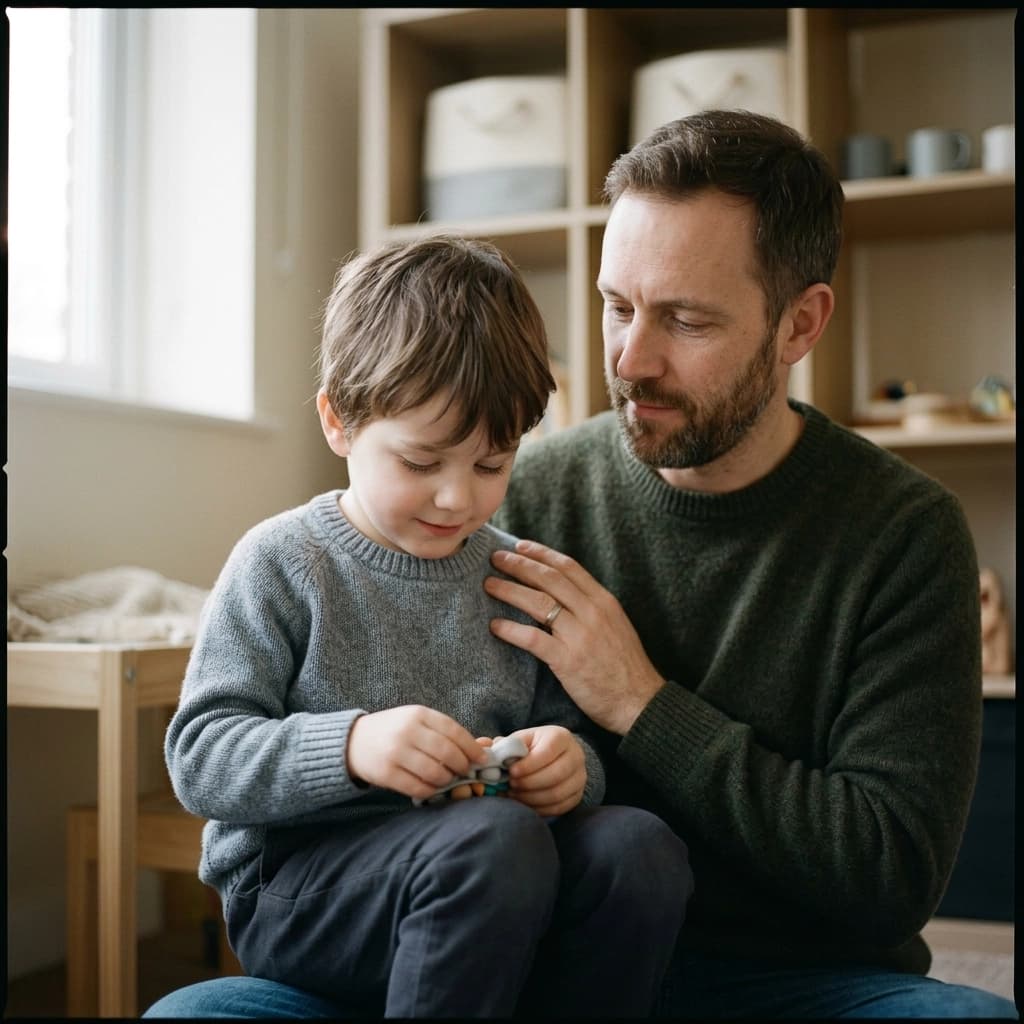
Belonging Without Explanation: Our Promise to the SEND Community
You know that feeling, don’t you? That heavy, sinking sensation in your chest when you’re out in public, and your child starts to struggle. Maybe it’s a supermarket aisle, a busy park, or a "standard" play centre. The environment is too loud, too bright, or just too much. Your child reacts the only way they know how, perhaps by stimming, shouting, or having a meltdown. And then comes "The Look." You know the one. It’s that cocktail of pity, judgment, and confusion from passers-by. In that moment
The Waiting List Limbo: How to Support Your Child While Waiting for an Autism Diagnosis
You finally made the call. Maybe it was after a particularly difficult morning where your child just couldn't get through the school gates. Maybe it was after months, or even years, of wondering why things seem so much harder for them than for their peers. You spoke to the GP or the school, the referral was sent, and you felt a tiny bit of relief. "Finally," you thought. "We’re getting somewhere." Then the letter arrived. "The current wait for an assessment is 24 months." Or 30 months. Or three
Calderdale SEND Update: Funding Wins, Summer Support, and Navigating Local Changes
<p></p> <p>Being a parent of a child with additional needs often feels like a full-time job in navigation.</p> <p>One day there is a win. A new support service or a bit of funding. The next, you’re hearing about a local club closing its doors.</p> <p>It’s a rollercoaster. We know because we are right there with you.</p> <p>In Calderdale, things move fast. Between the council updates and school newsletters, it’s hard to keep track of what actually matters for your family right now.</p> <p>We’ve pulled together the biggest updates for Summer 2026 to help you make sense of it all.</p> <h3>1. New Support in Schools: 'Experts at Hand'</h3> <p>There is some genuinely good news on the horizon for the 2026/27 school year.</p> <p>Calderdale is receiving a significant slice of the national "Experts at Hand" funding. This is a multimillion-pound pot designed to get help into schools faster.</p> <p><img src="https://cdn.marblism.com/U_SErbqoCmf.webp" alt="Experts at Hand - New funding for school therapists" style="max-width: 100%; height: auto;"></p> <p>The goal is simple: more therapists in mainstream classrooms. We’re talking about speech and language therapists, occupational therapists (OTs), and educational psychologists.</p> <p>The best part? The aim is for families to access this support without needing a full EHCP first. It’s a huge win for early intervention. </p> <p>Getting that professional advice early can change everything for a child’s confidence. We’ll be keeping a close eye on how schools across Halifax and the wider valley roll this out.</p> <h3>2. SEND Local Offer Live 2026</h3> <p>If you’ve ever felt like you’re shouting into the void trying to find local services, this event is for you.</p> <p><strong>The SEND Local Offer Live</strong> is returning on <strong>Tuesday, June 23</strong>. It’s being held at Calderdale College from 12pm to 6pm.</p> <p>Think of it as a marketplace for support. You can walk around, meet local providers face-to-face, and ask the questions that have been kept on your "to-do" list for months.</p> <p>Whether you're looking for <a href="https://noasplace.org.uk/interactive-tools">interactive tools</a> or just want to see what groups are running, it’s worth the trip.</p> <h3>3. Our Summer Sensory Sessions</h3> <p>We are so excited to announce that Noa’s Place is hosting a series of free Summer Sensory Sessions!</p> <p>We’ve heard from so many of you that the summer holidays can feel long and isolating. We wanted to create a space where your kids can just be themselves, no masking required.</p> <p><strong>When:</strong> Every Thursday, from July 30 to August 27. <strong>Where:</strong> Little Stars Family Hub, Halifax. <strong>What:</strong> 90 minutes of calm, sensory-focussed play.</p> <p><img src="https://cdn.marblism.com/Q2pc1Rr5ufh.webp" alt="Summer Sensory Sessions" style="max-width: 100%; height: auto;"></p> <p>These sessions are fully funded by the <strong>Calderdale Community Foundation & Neighbourhood Trust</strong>, which means they are completely free for you to attend.</p> <p><strong>A quick heads-up:</strong> Our community is amazing and word travels fast. Half of the available slots were booked within just 12 hours of going live.</p> <p>If you’d like to join us, please <a href="http://noasplace.org.uk/summer">book your spot here</a> as soon as possible.</p> <h3>4. Jam Packed Summer at Ravenscliffe</h3> <p>The annual <strong>Jam Packed Summer</strong> scheme is back for 2026. It’s a fantastic holiday programme for disabled young people aged 8 to 19, based at Ravenscliffe.</p> <p>The sessions run from <strong>July 20 to August 14</strong>.</p> <p><strong>Important:</strong> The deadline to apply is <strong>June 12</strong>. That is just around the corner. </p> <p>If you haven't sent your application off yet, this is your gentle nudge to get it done this evening. It’s one of the most popular schemes in the area and spaces fill up fast.</p> <h3>5. Navigating the Hard News: Gateway Youth Club</h3> <p>We also have to talk about the news that has hit our community hard this month.</p> <p>After 50 years of providing a lifeline for families, the <strong>Gateway Youth Club</strong> at Orangebox is closing its doors due to budget cuts.</p> <p>For many, Gateway wasn't just a club. It was a second home. A place where young people were understood and parents could breathe.</p> <p>This news is a heavy reminder of why we are working so hard to build a permanent hub at Noa's Place. Services that rely on discretionary council budgets are always at risk.</p> <p>We are currently searching for a 6,000–10,000 sq ft space in Halifax to call our own. Our goal is a community-owned, permanent home that can't be taken away by a budget line.</p> <p>We want to ensure that no family in Calderdale has to say goodbye to their "safe space" ever again.</p> <h3>6. Looking Forward: New Specialist Schools</h3> <p>While we navigate the closures, there is hope for the future.</p> <p>Work is continuing on the <strong>Ravenscliffe extension</strong>, providing much-needed extra places. Even bigger is the progress on the new <strong>Special Free School</strong> at the Threeways site in Ovenden.</p> <p><img src="https://cdn.marblism.com/hn-N_H-dlnQ.webp" alt="Together we make space - Building a permanent home for Calderdale families" style="max-width: 100%; height: auto;"></p> <p>It is currently slated for 2028. That feels like a long way off when you are struggling today, but it represents a long-term commitment to our children in North Halifax.</p> <h3>We are in this together</h3> <p>The SEND landscape in Calderdale is changing. Some of it is exciting, and some of it is genuinely tough.</p> <p>But you don’t have to navigate it alone. Whether it’s through our <a href="https://noasplace.org.uk/summer">summer sessions</a> or our online <a href="https://noasplace.org.uk/interactive-tools">support guides</a>, we are here to walk alongside you.</p> <p>Stay strong, keep going, and remember: <strong>Together we make space.</strong></p> <hr>
Sensory Regulation at Home: A Practical Guide for Families
<p></p> <p>It is 4:00 PM. </p> <p>The house feels loud, even though the TV is off. </p> <p>The lights seem too bright. </p> <p>Your child is either bouncing off the sofa or hiding under the kitchen table.</p> <p>You are exhausted, and you can feel a meltdown bubbling just under the surface.</p> <p>If this sounds like your typical Tuesday afternoon, we want you to know something important.</p> <p>You are not alone. </p> <p>At Noa's Place, we speak to families every day who feel exactly like this. </p> <p>Living in a world that wasn't designed for neurodivergent sensory needs is draining. </p> <p>It is hard for our children, and it is just as hard for us as parents.</p> <p>We are currently searching for a building in Halifax: a space that will eventually be a sensory-friendly hub for our community. </p> <p>But while we look for that perfect 6,000-10,000 sq ft spot in Calderdale, we know that the real "work" happens in your living rooms and kitchens.</p> <p>This guide is about making your home feel like a sanctuary. </p> <p>Not by spending thousands on professional sensory rooms, but by making small, practical changes that help everyone breathe a little easier.</p> <h2>What is sensory regulation?</h2> <p>Think of sensory regulation like a thermostat for the brain. </p> <p>For most people, this thermostat works in the background. </p> <p>It automatically adjusts to the noise of a vacuum cleaner or the scratchy label on a jumper.</p> <p>But for neurodivergent children, that thermostat can be a bit temperamental.</p> <p>Sometimes it gets stuck on "too high," making everything feel overwhelming. </p> <p>This is what people often call <a href="https://noasplace.org.uk/interactive-tools/sensory-overload">sensory overload</a>.</p> <p>Other times, it gets stuck on "too low," and they need to go looking for more input just to feel "right."</p> <p>Regulation is simply the process of helping that thermostat get back to a comfortable setting.</p> <h2>The Seeker vs. The Avoider</h2> <p>Before you can change your home, you need to know what your child is looking for. </p> <p>Most children fall into one of two categories, though many can be a mix of both depending on the day.</p> <p><img src="https://cdn.marblism.com/-AoPGEvmyrF.webp" alt="Comparison of Sensory Seekers and Avoiders" style="max-width: 100%; height: auto;"></p> <h3>The Seeker (Hyposensitive)</h3> <p>Seekers are looking for more. </p> <p>Their brain isn't getting enough "data" from their senses, so they try to create it.</p> <p>You might notice them:</p> <ul> <li>Crashing into furniture or people.</li> <li>Making loud noises or humming.</li> <li>Touching everything they walk past.</li> <li>Spinning until they get dizzy.</li> </ul> <h3>The Avoider (Hypersensitive)</h3> <p>Avoiders are getting too much data. </p> <p>The world feels like it is turned up to volume eleven.</p> <p>You might notice them:</p> <ul> <li>Covering their ears at "normal" sounds.</li> <li>Hating the feeling of certain clothes or food textures.</li> <li>Squinting in bright sunlight or under big indoor lights.</li> <li>Withdrawing or hiding when things get busy.</li> </ul> <p>Understanding which one your child is (or when they switch) is the first step to "zoning" your home.</p> <h2>Step-by-Step: Building a 'Calm Corner' on a budget</h2> <p>You do not need a dedicated spare room to create a safe space. </p> <p>A "Calm Corner" can be a corner of the lounge, a spot under the stairs, or even a pop-up tent in their bedroom.</p> <p>The goal is to create a "low-input" zone where the brain can rest.</p> <p><img src="https://cdn.marblism.com/GvEn3F3r3kO.webp" alt="Calm Corner Checklist Illustration" style="max-width: 100%; height: auto;"></p> <p><strong>1. Define the boundaries</strong> Use a small rug, a pop-up tent, or even a large cardboard box. Physical boundaries help a child feel "contained" and safe.</p> <p><strong>2. Soften the base</strong> Layer up old duvets, sleeping bags, or cushions. The floor should be soft and inviting.</p> <p><strong>3. Control the light</strong> Avoid the big "overhead" light. Use a small battery-operated lamp or some battery fairy lights. If your child is very light-sensitive, a dark den or a heavy blanket over a table works wonders.</p> <p><strong>4. Add "The Tools"</strong> Keep a small basket of items nearby. This might include a pair of ear defenders, a favourite fidget toy, or a soft teddy. If you need more ideas, check out our <a href="https://noasplace.org.uk/interactive-tools/feelings-coping">interactive tools for feelings and coping</a>.</p> <h2>Zoning your home</h2> <p>If you have a seeker and an avoider under the same roof, things can get tricky. </p> <p>One wants to crash and shout; the other wants silence.</p> <p>This is where "zoning" comes in. </p> <p><img src="https://cdn.marblism.com/b0heovS-SU_.webp" alt="Home Sensory Zoning Illustration" style="max-width: 100%; height: auto;"></p> <p>Instead of seeing your home as "rooms," try to see them as "energy zones."</p> <p><strong>The High-Energy Zone (The Kitchen or Hallway)</strong> Designate an area where it is okay to be loud and active. Maybe this is where the "heavy work" happens: pushing a laundry basket filled with books or doing wall-pushes.</p> <p><strong>The Quiet Zone (The Calm Corner or Bedroom)</strong> This is a "no-shouting" zone. If someone needs to regulate by being quiet, this is their protected space.</p> <p><strong>The Transition Zone</strong> Moving from "play time" to "dinner time" is often where meltdowns happen. Keep this area (like the hallway or dining table) clear of clutter to reduce the extra "noise" their brain has to process.</p> <h2>Quick fixes for noise and light</h2> <p>Sometimes, you can't change the whole house. </p> <p>But you can change how your child experiences it.</p> <p><strong>For Noise:</strong></p> <ul> <li><strong>Soft furnishings:</strong> Rugs, curtains, and even wall-hangings help stop sound from bouncing around. A room with a rug is much "quieter" to a neurodivergent ear than one with hard floors.</li> <li><strong>Headphones:</strong> They don't always need to be playing music. Sometimes just wearing noise-cancelling headphones or simple ear defenders can lower the "background hum" of the house enough to prevent a meltdown.</li> </ul> <p><strong>For Light:</strong></p> <ul> <li><strong>Dimmers:</strong> If you can't install dimmer switches, use lamps with warm-toned bulbs instead of the main light.</li> <li><strong>Task lighting:</strong> If your child is doing homework or drawing, use a small desk lamp so the rest of the room can stay dim.</li> </ul> <h2>The power of deep pressure</h2> <p>Have you ever noticed your child likes to squeeze into small gaps? </p> <p>Or maybe they love a really firm hug?</p> <p>This is called Proprioceptive input, but we like to call it "Heavy Work." </p> <p>It is one of the fastest ways to help a dysregulated nervous system feel grounded.</p> <p>Deep pressure tells the brain exactly where the body is in space. </p> <p>It is incredibly calming for both seekers and avoiders.</p> <p>You can try:</p> <ul> <li><strong>Weighted items:</strong> A weighted blanket or even a heavy lap-pad (you can make one by filling a pillowcase with dried rice or beans: just make sure it's sealed tight!).</li> <li><strong>The "Sandwich":</strong> Place your child between two large cushions and give them a very gentle, firm press (always check they are happy with this first!).</li> <li><strong>Tight clothing:</strong> Sometimes a tight-fitting vest or "under-armour" style shirt provides that constant gentle squeeze they need to feel regulated.</li> </ul> <h2>Child-led regulation: Giving them the remote control</h2> <p>The most important part of sensory regulation is teaching your child to understand their own body.</p> <p>We want to give them the "remote control" to their own senses.</p> <p>Instead of saying, "Go to your calm corner," try asking: "Does your body feel fast or slow right now?"</p> <p>If they feel "fast," they might need a heavy work activity. If they feel "overwhelmed," they might need the calm corner.</p> <p>By giving them the tools and the language to describe how they feel, we are helping them build a life-long skill.</p> <p>You can find more ways to help your child express themselves in our <a href="https://noasplace.org.uk/interactive-tools/all-about-me-child">All About Me guides</a>.</p> <h2>We are right there with you</h2> <p>Creating a sensory-friendly home isn't about being perfect. </p> <p>It is about trial and error. </p> <p>Some days, the calm corner will be a hit. </p> <p>Other days, it will be used as a fort for a toy battle. </p> <p>That is okay. </p> <p>Our goal at Noa's Place is to build a community where you don't have to explain these things. </p> <p>Where you can walk in and know the lights are right, the noise is managed, and your child is accepted exactly as they are.</p> <p>Until we find our physical home in Halifax, we will keep sharing what we know to help you in yours.</p> <p>Keep going. You are doing a great job.</p> <p><strong>Together we make space.</strong></p> <p><img src="https://cdn.marblism.com/4kstdlh4Jvn.webp" alt="Together We Make Space Closing Graphic" style="max-width: 100%; height: auto;"></p> <hr>
Understanding EBSA: A Compassionate Guide to School Avoidance and Anxiety
<p></p> <p>It starts with a stomach ache. </p> <p>Then comes the "I can't go" or the quiet, heavy dread that fills the house before the sun is even up. </p> <p>If your morning feels like a battleground, or a house of cards that collapses every Sunday night, you aren't alone. We are right there with you. </p> <p>Many families in Halifax and across Calderdale are facing the same struggle. It has a name: EBSA. </p> <h3>What is EBSA?</h3> <p>EBSA stands for <strong>Emotionally Based School Avoidance</strong>. </p> <p>It is a fancy term for a very simple, painful reality: a child cannot cope with the thought of being in school. </p> <p>It is often mistaken for "naughty" behaviour or "truancy," but they couldn't be more different.</p> <p><img src="https://cdn.marblism.com/0hwMQD-PI9h.webp" alt="A flat vector comparison graphic showing the difference between EBSA (Emotional Distress) and Truancy (Choice) using purple and teal cards." style="max-width: 100%; height: auto;"></p> <p>Truancy is usually a choice. The child might skip school to do something they find fun. </p> <p>EBSA is not a choice. It is a response to overwhelming anxiety. </p> <p>When a child experiences EBSA, their brain is in "survival mode." They aren't trying to be difficult; they are trying to feel safe. </p> <h3>Why neurodivergent children struggle</h3> <p>For neurodivergent children, including those with autism, ADHD, or sensory processing differences, school can be an incredibly loud, bright, and unpredictable place.</p> <p>They might be "masking" all day. This means they are working double-time to act like everyone else and hide their struggles. </p> <p>By the time they get home, they are exhausted. The thought of doing it all again the next day feels impossible. </p> <p>It’s like being asked to run a marathon every single day with no rest. Eventually, the body and mind just say "no."</p> <h3>Spotting the signs</h3> <p>EBSA doesn’t always look like a loud meltdown. Sometimes it’s very quiet. </p> <p><img src="https://cdn.marblism.com/yRIMUrqmeaO.webp" alt="A graphic-led checklist for Signs of EBSA including physical pain, distress, and morning delays." style="max-width: 100%; height: auto;"></p> <p>Common signs include:</p> <ul> <li><strong>Physical pain:</strong> Feeling sick, having a racing heart, or real stomach aches that mysteriously disappear on Saturdays.</li> <li><strong>Morning delays:</strong> Taking ages to get dressed or "forgetting" how to put on shoes.</li> <li><strong>Changes in mood:</strong> Becoming tearful, angry, or very withdrawn as Monday approaches.</li> <li><strong>Sleep issues:</strong> Having trouble falling asleep or having nightmares about school.</li> </ul> <p>If you are seeing these signs, our <a href="https://noasplace.org.uk/interactive-tools/feelings-coping">interactive tools for feelings and coping</a> can help you start a gentle conversation with your child about how they feel.</p> <h3>The power of co-regulation</h3> <p>When your child is panicking, their nervous system is "dysregulated." They cannot think clearly or listen to logic. </p> <p>This is where <strong>co-regulation</strong> comes in. </p> <p><img src="https://cdn.marblism.com/ja2up9EC2cE.webp" alt="A flat vector graphic explaining Co-regulation with the text 'Your Calm' and 'Their Safety'." style="max-width: 100%; height: auto;"></p> <p>Co-regulation means using your own calm to help them find theirs. </p> <p>It isn't about fixing the problem immediately or forcing them out the door. It’s about being a "safe harbour." </p> <p>When you stay calm and empathetic, you show their brain that they are safe. This is the first step toward getting them back to a place where they can learn.</p> <p>Our guide on <a href="https://noasplace.org.uk/interactive-tools/sensory-overload">managing sensory overload</a> might offer some quick ways to create a calmer environment at home during these high-stress moments.</p> <h3>Taking practical steps in Calderdale</h3> <p>You don't have to navigate this journey alone. There is a path forward, and it starts with communication.</p> <p><img src="https://cdn.marblism.com/vq9efjBrTDW.webp" alt="A card-based graphic showing next steps: Talk to school, Ask for SENCO, and Contact SENDIASS." style="max-width: 100%; height: auto;"></p> <ol> <li><strong>Talk to the school:</strong> Contact your child’s class teacher or the SENCO (Special Educational Needs Co-ordinator). Share what is happening at home.</li> <li><strong>Focus on safety, not attendance:</strong> Ask for a "phased return" or a "safe space" in school where your child can go when they feel overwhelmed.</li> <li><strong>Ask what framework they are using:</strong> Some schools in Calderdale and across West Yorkshire are increasingly using EBSA toolkits and specialised support frameworks to understand patterns, reduce anxiety, and plan a more realistic return. If your school mentions an <strong>EBSA toolkit</strong>, ask to see how it is being used and what practical changes will come from it.</li> <li><strong>Seek external support:</strong> Reach out to <a href="https://www.calderdalesendiass.org.uk/">Calderdale SENDIASS</a> for free, impartial advice on your rights and how to get more help.</li> <li><strong>Look into SEMH support:</strong> EBSA is often recognised under Social, Emotional and Mental Health (SEMH) needs. This can open doors to more formal support, like an EHCP (Education, Health and Care Plan).</li> </ol> <h3>Small Wins and Sensory Strategies for the School Run</h3> <p>Some mornings are about getting all the way into school.</p> <p>Some mornings are about getting dressed, getting in the car, or making it to the end of the road.</p> <p>That still matters.</p> <p>When a child is overwhelmed, big goals can feel impossible. Smaller, gentler steps can help their nervous system feel safer.</p> <p>One thing that can help is a <strong>transition object</strong>.</p> <p>This is just a small thing your child can carry from home to school. It might be a sensory toy, a soft keyring, a smooth stone, or even a wristband with a spray of mum or dad's perfume on it.</p> <p>The point is not the object itself. The point is familiarity. Something that smells, feels, or looks like home can make the move from one place to another feel less sharp.</p> <p>Your words matter too.</p> <p>Try <strong>low-arousal language</strong>. That means keeping your voice calm, your sentences short, and your instructions simple.</p> <p>Instead of lots of questions or rushed reminders, it can help to say:</p> <ul> <li>"Shoes on."</li> <li>"I'm with you."</li> <li>"One step at a time."</li> <li>"Let's just get to the car."</li> </ul> <p>This lowers the pressure. It gives your child less to process when their brain is already overloaded.</p> <p>It can also help to talk with school about a <strong>safe space</strong>.</p> <p>This could be a quiet room, a corner in a classroom, a pastoral base, or another calm spot where your child can land before the full school day begins. For some children, knowing there is a place to breathe can make the gates feel less frightening.</p> <p>And if they do not make it through the gates, that does not mean the morning was a failure.</p> <p>Trying matters.</p> <p>Putting shoes on matters.</p> <p>Sitting in the car matters.</p> <p>Walking part of the way matters.</p> <p>Celebrate the effort, not just the outcome. That is often where trust and progress begin.</p> <h3>It is not your fault</h3> <p>We want to say this clearly: <strong>This is not because of your parenting.</strong></p> <p>Society often puts a lot of pressure on parents to "just be firmer." But you cannot "firm" your way out of an anxiety disorder or a sensory processing issue.</p> <p>You are doing the best you can in a system that wasn't built for your child. </p> <p>At Noa's Place, we are working hard to build a permanent hub in Halifax where families can find the understanding and community they deserve. We want to create a space where your child can just <em>be</em>, without any pressure to mask or fit in. </p> <p>Until that building is ready, know that we are here as a community. </p> <p>Take a deep breath. You are doing a great job.</p> <p><strong>Together we make space.</strong></p>
Calderdale SEND Update: Funding, New Schools, and Your Summer Survival Guide
<p></p> <p>Does it ever feel like the ground is shifting under your feet?</p> <p>One day, you hear about new funding for our local schools. The next, a favourite youth club announces it’s closing its doors for good.</p> <p>Being a SEND parent in Calderdale often feels like being on a giant seesaw. You’re constantly balancing hope with heartbreak, and paperwork with parenting.</p> <p>We know how much mental energy it takes just to keep up. That’s why we’ve pulled together this update. We want to help you make sense of the latest news and find some breathing space this summer.</p> <h2>The 'Calderdale Seesaw': Validating the mental load</h2> <p><img src="https://cdn.marblism.com/rM5Wt0ctR_F.webp" alt="The Calderdale Seesaw - Abstract balance illustration" style="max-width: 100%; height: auto;"></p> <p>If you feel exhausted, it’s because you are.</p> <p>Managing SEND support isn’t just about appointments. It’s the constant monitoring of news, the "what ifs" about school places, and the search for activities where your child won't be judged.</p> <p>In Halifax and across West Yorkshire, the landscape is changing fast. For every step forward, like new investment, there’s often a gap left behind when community services disappear.</p> <p>We see the work you’re doing. You are your child’s biggest advocate, their researcher, and their safe harbour. You're doing a great job, even on the days when it feels like the seesaw is stuck.</p> <h2>New Funding: 'Experts at Hand'</h2> <p><img src="https://cdn.marblism.com/s-nEav80bD5.webp" alt="Experts at Hand - Speech, Psych, and OT icons" style="max-width: 100%; height: auto;"></p> <p>There is some genuinely positive news on the horizon for 2026 and 2027.</p> <p>Calderdale is receiving £1.7 million as part of a national investment in SEND services. This is being used to create a new "Experts at Hand" service.</p> <p>But what does that actually mean for you?</p> <p>Right now, getting specialist advice like Speech and Language Therapy (SALT) or Occupational Therapy (OT) can feel like a marathon. Often, you have to wait for a full EHCP process to even get a foot in the door.</p> <p>This new funding aims to put these experts directly into schools. The goal is to get specialist help to children earlier, before they reach a crisis point.</p> <p>While we wait to see exactly how the referral routes will work, the intention is clear: less waiting, more doing. It’s a step towards making <a href="https://noasplace.org.uk/about">SEND support in Calderdale</a> more about the child and less about the postcode lottery.</p> <h2>New Schools for Halifax</h2> <p>Alongside the funding, there are big moves in local school provision.</p> <p>The Ravenscliffe extension is continuing to provide much-needed specialist places. For many of our families, Ravenscliffe is a lifeline, and seeing that capacity grow is a huge relief.</p> <p>There is also a new specialist school and an Alternative Provision (AP) school planned for North Halifax, in partnership with Delta Academies Trust.</p> <p>These new <a href="https://noasplace.org.uk/plans">specialist schools in Halifax</a> are vital. For too long, many of our children have had to travel out of the area to get the education they need. Bringing that support back into our local community is a win for everyone.</p> <h2>Saying goodbye to Gateway</h2> <p>We can't talk about local updates without mentioning the closure of the Gateway Youth Club.</p> <p>For 50 years, Gateway has been a staple of the Halifax community. For many neurodivergent young people, it was the one place they could go where they didn't have to mask or explain themselves.</p> <p>Losing a space like that hurts. It’s a reminder of how fragile community-led support can be when budgets get tight.</p> <p>It’s also exactly why we are so passionate about our mission at Noa’s Place. When we talk about <a href="https://noasplace.org.uk/the-hub">building our hub</a>, we aren't just talking about a building.</p> <p>We are talking about creating a permanent, sensory-safe constant. A place that belongs to the families who use it.</p> <h2>Your Summer 2026 Survival Guide</h2> <p><img src="https://cdn.marblism.com/tdmgcnm7JIw.webp" alt="Summer Survival - Activity icons" style="max-width: 100%; height: auto;"></p> <p>Summer holidays are a mixed bag. The break from school stress is great, but the loss of routine can be a nightmare.</p> <p>If you're looking for <a href="https://noasplace.org.uk/interactive-tools/feelings-coping">SEND summer activities in West Yorkshire</a>, here are a few local highlights that are known for being inclusive:</p> <ul> <li><strong>Jam Packed Summer (Ravenscliffe):</strong> Keep an eye out for their holiday activities. They are specifically designed for children with additional needs, with staff who truly "get it." </li> <li><strong>NAS Roller Skating (YMCA Halifax):</strong> The local National Autistic Society branch often runs these sessions. They usually have reduced noise and smaller groups. </li> <li><strong>ROKT Climbing (Brighouse):</strong> ROKT has a great reputation for inclusive sessions. Climbing is fantastic for heavy work and sensory regulation.</li> </ul> <h3>Quick tips for a calmer summer:</h3> <ol> <li><strong>Visual Schedules:</strong> Even if it’s just a drawing on a whiteboard, knowing what is happening today helps lower anxiety. </li> <li><strong>Safe Exit Plans:</strong> Before you go to a new park or event, scout out a "quiet corner" where you can retreat if things get too much. </li> <li><strong>Sensory Bags:</strong> Keep a bag in the car with noise-cancelling headphones, fidgets, and a familiar snack. </li> <li><strong>Lower the Bar:</strong> Some days, "success" is just everyone staying hydrated and relatively calm. That is enough.</li> </ol> <p>If you're worried about <a href="https://noasplace.org.uk/interactive-tools/sensory-overload">sensory overload</a> while out and about, we have some free digital tools to help you navigate those moments.</p> <h2>Looking forward with Noa’s Place</h2> <p>As the landscape in Calderdale continues to shift, our search for a physical home continues.</p> <p>We are looking for a space in Halifax: somewhere that we can turn into the inclusive community hub our families deserve.</p> <p>Until then, we are right here with you. We are building this community together, piece by piece.</p> <p>We want to create a space where Noa, and every child like him, can walk in and feel completely at home. No masking. No judgements. Just a place to be.</p> <p>Together we make space.</p> <p><img src="https://cdn.marblism.com/g-aw8btxA59.webp" alt="Together we make space - Abstract graphic" style="max-width: 100%; height: auto;"></p>
Understanding PDA: A Parent’s Guide to Supporting the Pervasive Drive for Autonomy
<p></p> <p>It starts with something small. </p> <p>Maybe you’ve asked them to put their shoes on so you can get to school. Or perhaps it’s time to turn off the tablet for dinner. </p> <p>Suddenly, the air in the room changes. </p> <p>What should have been a simple transition turns into a full-blown meltdown, a rigid "no", or your child disappearing under a duvet. </p> <p>If this sounds like your daily reality, you might be familiar with Pathological Demand Avoidance (PDA). </p> <p>But in the neurodivergent community, many of us are moving toward a name that feels a bit more human: <strong>Pervasive Drive for Autonomy</strong>. </p> <p>Whatever you call it, living with PDA is exhausting. </p> <p>We are right there with you. </p> <h2>What is PDA? (Beyond the clinical name)</h2> <p>PDA is often described as a profile on the autism spectrum. </p> <p>The traditional name, Pathological Demand Avoidance, sounds clinical and, let’s be honest, a bit negative. </p> <p>It makes it sound like the child is choosing to be difficult. </p> <p>When we look at it as a <strong>Pervasive Drive for Autonomy</strong>, everything changes. </p> <p>It’s not that your child <em>won't</em> do what you’ve asked. It’s that their brain literally <em>can't</em> process the demand because it feels like a threat to their safety.</p> <p>Autonomy isn't just a "want" for a PDAer; it’s a biological necessity. </p> <p>Without it, they feel like they’ve lost control of their world.</p> <h2>The 'Anxiety' behind the avoidance</h2> <p><img src="https://cdn.marblism.com/nTN7LB2GpGd.webp" alt="The Anxiety Cycle" style="max-width: 100%; height: auto;"></p> <p>To understand PDA, you have to understand the "anxiety bucket."</p> <p>Every child has a limit on how much stress they can take. </p> <p>For a child with PDA, everyday demands, things like brushing teeth, eating, or even being told "have a nice day", act like drops of water in that bucket. </p> <p>When the bucket overflows, the brain’s "threat response" kicks in. </p> <p>This isn't "naughty" behaviour. This is fight, flight, or freeze. </p> <p>To your child, a simple request to "put your coat on" can feel as terrifying as being asked to step into a cage with a lion. </p> <p>Their nervous system screams "Danger!", and they react accordingly to regain a sense of safety.</p> <p>This is why <strong>PDA support in the UK</strong> is so focused on nervous system regulation rather than discipline.</p> <h2>Why 'Because I said so' doesn't work</h2> <p>In most parenting books, the advice is clear: be firm, use rewards, and set consequences. </p> <p>For a PDA child, this is like pouring petrol on a fire. </p> <p>Traditional parenting relies on a hierarchy, the adult is in charge, and the child follows. </p> <p>For someone with a pervasive drive for autonomy, that hierarchy is the ultimate demand. </p> <p>Rewards feel like a bribe (a demand to perform). </p> <p>Consequences feel like a threat (a demand to comply). </p> <p>Both increase anxiety, which fills the bucket even faster. </p> <p>If you’ve spent years feeling like "the only parent whose child doesn't listen to logic," it’s probably because your child’s brain is wired to resist that very logic if it feels like a loss of control.</p> <h2>Practical strategies: The 'Low Demand' toolbox</h2> <p><img src="https://cdn.marblism.com/A5XAd5kJUo9.webp" alt="Low Demand Tools" style="max-width: 100%; height: auto;"></p> <p>So, how do you get through the day? </p> <p>The shift is moving from a "manager" role to a "collaborator" role. </p> <p>This is often called <strong>Low Demand Parenting</strong>. It doesn't mean having no rules; it means changing how those rules are presented.</p> <h3>1. Rephrase the demand</h3> <p>Instead of "Go brush your teeth," try "I wonder if we have enough toothpaste for both of us?" Using "I wonder..." or "I’m not sure if..." depersonalises the demand. </p> <h3>2. Give real choice</h3> <p>Don't just ask them to do something. Give them the "how" or "when." "Do you want to get dressed in the bedroom or the lounge?" This gives them back that vital sense of autonomy.</p> <h3>3. Use humour</h3> <p>Humour is a fantastic way to lower anxiety. Making a mistake on purpose or being a bit silly can break the tension and make a task feel less like a "must-do" and more like an "us-do."</p> <h3>4. Collaborative problem solving</h3> <p>Sit down when things are calm. "I've noticed mornings are really tricky for your body. What could we change to make them feel easier?" When they help build the plan, they are much more likely to follow it.</p> <p>If you're looking for more ways to understand these feelings, our <a href="https://noasplace.org.uk/interactive-tools">interactive tools</a> are designed to help families navigate these tricky moments together.</p> <h2>You’re not a 'bad parent'</h2> <p><img src="https://cdn.marblism.com/to7N4Zo7K77.webp" alt="You are not a bad parent" style="max-width: 100%; height: auto;"></p> <p>This is the most important thing we can tell you.</p> <p>When you’re raising a child with PDA, you face a lot of judgement. </p> <p>From people in the supermarket who think your child needs "a firm hand," to professionals who suggest you just need to be "more consistent."</p> <p>It can make you feel isolated and like you’re failing. </p> <p>You are not failing. </p> <p>You are parenting a child on "Hard Mode." </p> <p>The fact that you are here, reading this and trying to understand their world, shows how much you care. </p> <p>Raising a child with a pervasive drive for autonomy requires a level of patience, creativity, and resilience that most people will never have to tap into. </p> <p>Give yourself some grace. You are doing a grand job.</p> <h2>How Noa's Place supports PDA families</h2> <p>At Noa’s Place, we get it. </p> <p>We know what it’s like to spend your morning negotiating a single pair of socks. </p> <p>We know the "after-school restraint collapse" that happens when a child masks all day at school only to explode the moment they hit the front door.</p> <p>We are working hard to secure a physical home in Halifax to provide <a href="https://noasplace.org.uk/the-hub">SEND support in Calderdale</a>. </p> <p>Our vision is a community hub where your child doesn't have to mask. </p> <p>A place where "no" is respected, where sensory needs come first, and where you: the parent: can finally take a breath without feeling judged. </p> <p>Whether you need practical advice on <a href="https://noasplace.org.uk/about">neurodiversity support</a> or just a community that "gets it," we are building this for you.</p> <p>You don't have to navigate the world of Pathological Demand Avoidance alone. </p> <p>We are right here with you.</p> <p>Together we make space.</p> <p><img src="https://cdn.marblism.com/uoFOqoByR2F.webp" alt="Together we make space" style="max-width: 100%; height: auto;"></p>
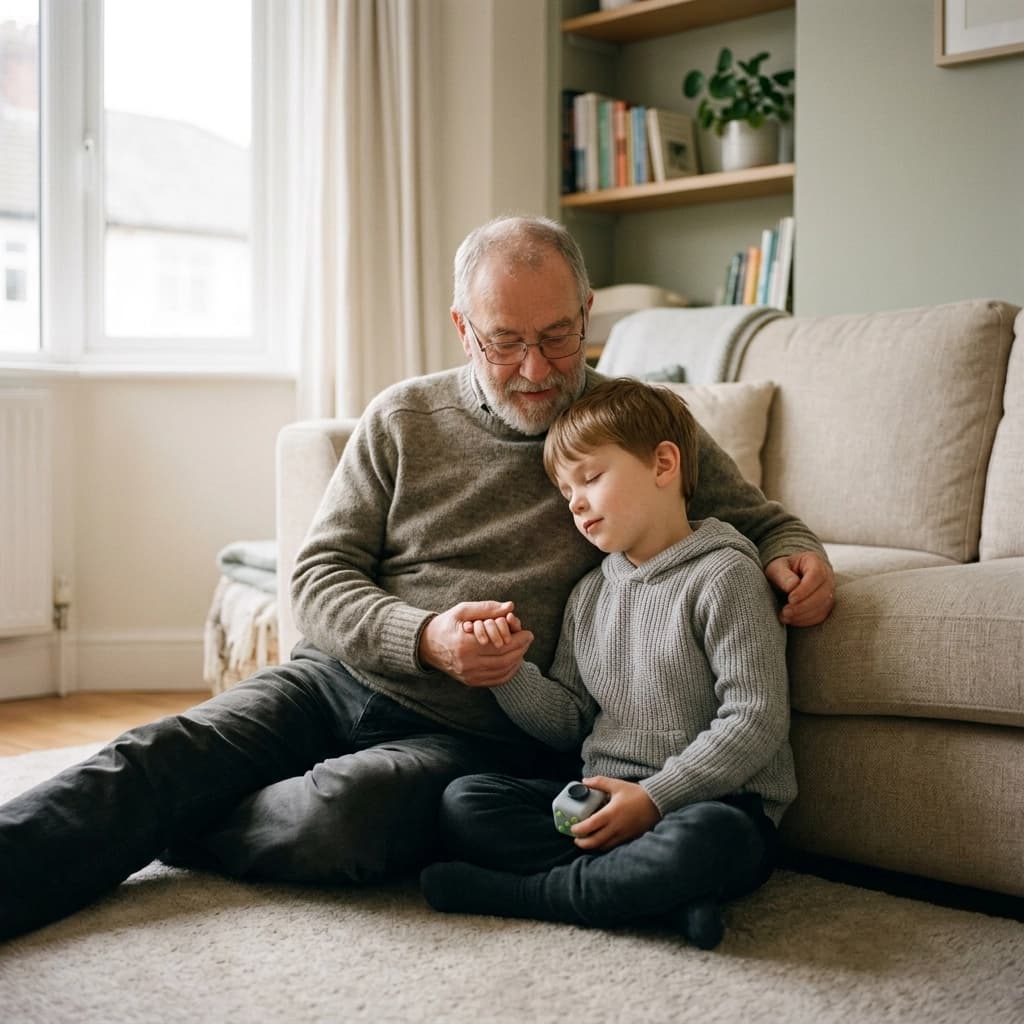
More Than a Ramp: Designing for Low-Sensory Stress
Have you ever walked into a supermarket and felt like the world was suddenly turned up to eleven?
The Ultimate Guide to Sensory Overload: Helping Your Child Find Calm in a Noisy World
You’re in the middle of the supermarket. The lights are humming. The checkout pings are constant. A child is crying three aisles over, and the floor is a bit too shiny. Suddenly, your child stops. Or they start shouting. Or they bolt for the door.

Regulation and Recall: Why Sensory Spaces Matter for Dementia
Hello everyone, Josh here. If you’ve been following our journey at Noa’s Place for a while, you’ll know that we’re deeply passionate about creating a world where sensory needs are understood, respected, and supported.
Struggling For Sensory Ideas? 15 Simple Ways to Help Your Child Regulate at Home
It’s 4 PM on a Tuesday. The telly is a bit too loud. The kitchen smells like tonight’s dinner. Your child is starting to spin in circles, or maybe they’re beginning to melt down because their socks "feel wrong." You feel that familiar tightness in your chest. You’re tired.
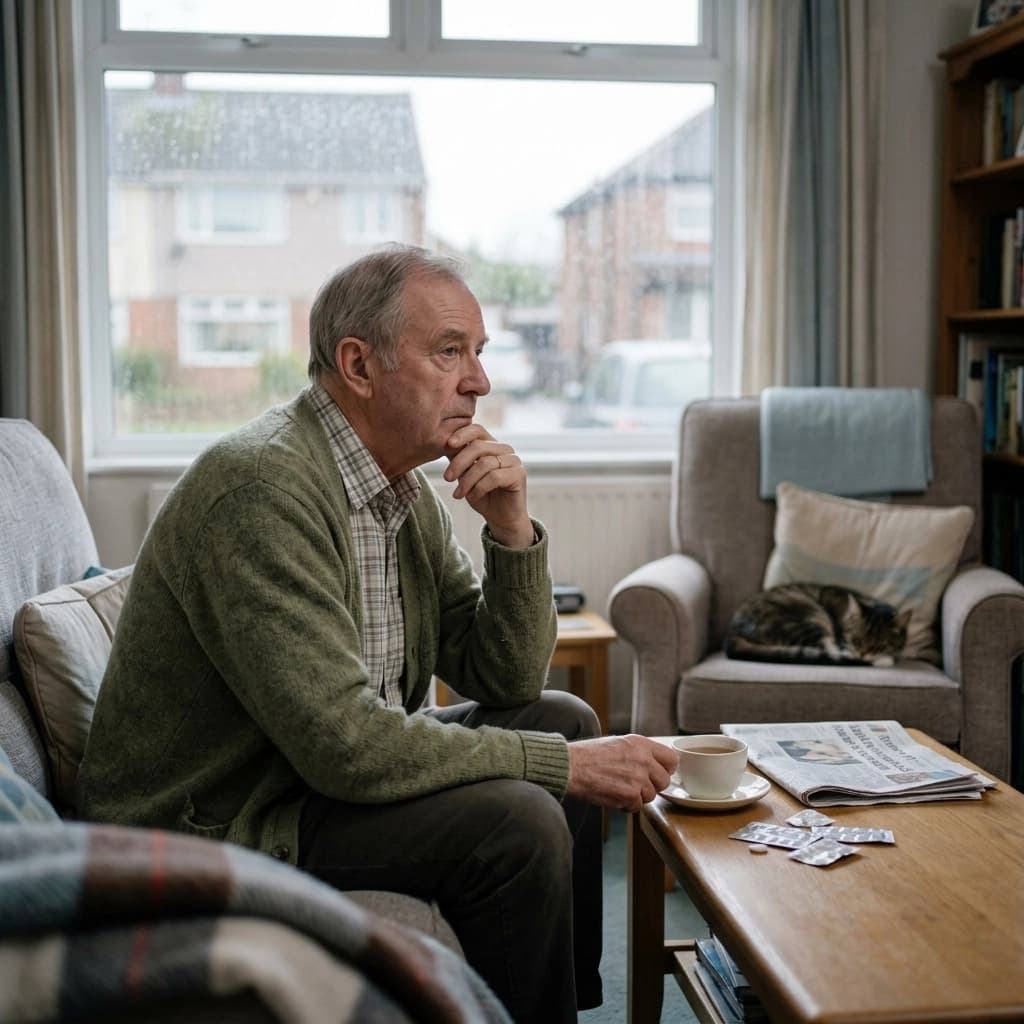
The Loneliness of the Long-Distance Carer: Putting Wellbeing First
Have you ever sat in your car for five minutes after getting home, just staring at the dashboard? The engine is off. The house is right there. You know as soon as you step through that front door, the "shift" starts.

It’s Official: Noa’s Place is Now a Registered Charity! 💜
<p></p> <p>By Josh Barnes</p> <p>You know that feeling when you finally get a letter you’ve been waiting for?</p> <p>The one that says you’ve been heard.</p> <p>The one that says, “Yes, this is real.”</p> <p>For a lot of us in the SEND world, those letters are usually about assessments, appointments, or more paperwork to fill in.</p> <p>But this morning, a different kind of notification landed in my inbox.</p> <p>It was the one we’ve been working towards since the very first day Noa’s Place was just a tiny idea in my head.</p> <p>I’m so happy to tell you that Noa’s Place is now an officially registered charity (CIO).</p> <p>It’s official. We are on the map.</p> <p>And more importantly, we are here to stay.</p> <h3>Why this matters to you</h3> <p>You might be thinking, "That’s great, Josh, but what does it actually change?"</p> <p>When you’re stuck in the middle of a meltdown, or you’re fighting for an EHCP, or you’re just plain exhausted, the legal status of an organisation doesn’t always feel like a priority.</p> <p>I get that. I really do.</p> <p>But becoming a registered charity is the key that unlocks the doors we’ve been pushing against.</p> <p>It means we can apply for the kind of big funding that changes lives.</p> <p>It means we are held to a high standard, so you know your trust in us is well-placed.</p> <p>It means we can move from being a community that talks about change to a charity that makes it happen.</p> <p>Every penny we raise now goes directly into building the future we all want for our children.</p> <p><img src="https://cdn.marblism.com/vYI8Uw2UKgp.webp" alt="Purple key icon on teal, representing Noa's Place unlocking new charity funding." style="max-width: 100%; height: auto;"></p> <h3>It started with a family of three</h3> <p>Looking back, it’s hard to believe how far we’ve come.</p> <p>Not long ago, it was just me, my wife, and our son, Noa.</p> <p>We felt like we were on a bit of an island.</p> <p>We were trying to navigate a system that felt like it was designed to be difficult.</p> <p>We were tired. We were lonely. And we knew there had to be a better way.</p> <p>I remember sitting there thinking that there must be other families feeling exactly like this.</p> <p>Families who didn’t want a clinical waiting room or a tick-box exercise.</p> <p>Families who just wanted a place where they could be themselves.</p> <p>Where their kids could be themselves.</p> <p>So, I started talking about it. And then you started talking back.</p> <p>Suddenly, our family of three became a community of 2,000 people.</p> <p>2,000 people who "get it."</p> <p>That growth is what pushed us to take this leap and become a registered charity.</p> <p>You showed us that Noa’s Place wasn't just a nice idea. It was a necessity. </p> <p><img src="https://cdn.marblism.com/1PQOXUISOmw.webp" alt="Graphic showing a growing community network of support for neurodivergent families." style="max-width: 100%; height: auto;"></p> <h3>Support Before Crisis</h3> <p>If you’ve followed our journey for a while, you’ll know our mantra: Support Before Crisis.</p> <p>The system as it stands is often reactive.</p> <p>It waits until things are breaking before it offers a hand.</p> <p>We want to flip that on its head.</p> <p>We believe that if we provide the right environment, the right community, and the right understanding early on, we can stop the "break" from happening.</p> <p>Being a charity allows us to focus entirely on this preventative support.</p> <p>We aren't here to replace the professionals.</p> <p>We’re here to be the safety net that catches you before you even need them.</p> <p>We’re here to make sure that the "everyday reality" of SEND life is a little bit lighter, a little bit calmer, and a lot less lonely.</p> <h3>The "No Masking" Philosophy</h3> <p>One of the most important parts of Noa’s Place is our "no need to mask" rule.</p> <p>In the outside world, our kids , and often us parents , spend a lot of energy trying to fit in.</p> <p>Trying to be quieter. Trying to sit stiller. Trying to look "normal."</p> <p>It is exhausting. It takes a toll on mental health that people don't see.</p> <p>Noa’s Place is built on the idea that you should never have to mask who you are to be accepted.</p> <p>If your child needs to stim, they stim.</p> <p>If they need to wear ear defenders, they wear them.</p> <p>If you need to cry because it’s been a hard week, we have the tissues ready.</p> <p>We are building a culture where being neurodivergent isn't something to be hidden or "fixed."</p> <p>It’s just part of who we are.</p> <p>Our vision for Halifax</p> <p>Now that we have our charity status, our eyes are firmly on the future.</p> <p>We’ve lived online and in temporary spaces for long enough.</p> <p>The dream is a permanent, sensory-first community hub right here in Halifax.</p> <p>We don't have the keys to a building yet , we’re still in the planning and fundraising stage for that.</p> <p>But the vision is clear.</p> <p>We want a space that is designed from the ground up with sensory needs in mind.</p> <p>Soft lighting. Proper acoustics. Safe zones.</p> <p>A place where you can walk through the door and immediately feel the tension leave your shoulders.</p> <p>A place where "accessible" means more than just a ramp at the front door.</p> <p>It means an environment that understands how your brain works.</p> <p>With our new status as a CIO, that dream is closer than it has ever been.</p> <h3>You are the heart of this</h3> <p>I want to finish by saying thank you.</p> <p>I’m the one writing this blog, and Noa is the inspiration behind the name.</p> <p>But Noa’s Place belongs to you.</p> <p>It belongs to the parents who message us at 2 am.</p> <p>It belongs to the local businesses who have supported us from the start.</p> <p>It belongs to everyone who has shared a post, attended a meet-up, or told a friend about us.</p> <p>You are the reason the Charity Commission said yes.</p> <p>You are the reason we have a community of 2,000 strong.</p> <p>You are the reason I know we are going to change the way SEND support looks in this country.</p> <p>We are just getting started.</p> <p>There is a lot of work ahead of us, but for today, let’s just celebrate this win.</p> <p>We aren't just a group of people anymore.</p> <p>We are an organisation with a mission.</p> <p>And we are right there with you, every step of the way.</p> <p>Together we make space.</p> <p><img src="https://cdn.marblism.com/qahLRW76rVZ.webp" alt="Teal heart graphic on purple, celebrating our official registered charity status and mission." style="max-width: 100%; height: auto;"></p> <hr> <p><strong>Want to stay updated?</strong><br>Keep an eye on our <a href="https://noasplace.org.uk/about">About page</a> to see how our team is growing, or if you need some help right now, check out our <a href="https://noasplace.org.uk/interactive-tools">interactive tools</a> for everything from sensory overload tips to safety planning.</p> <p>If you want to chat about how you can get involved with the new charity, you can always <a href="https://noasplace.org.uk/contact">contact us here</a>.</p>
Co-Regulation Tools: 20 Calming Strategies to Get You Started
Ever felt like you are trying to put out a forest fire with a water pistol whilst standing in the middle of a hurricane? We have all been there. Maybe it is the supermarket aisle where the lights are just a bit too bright.
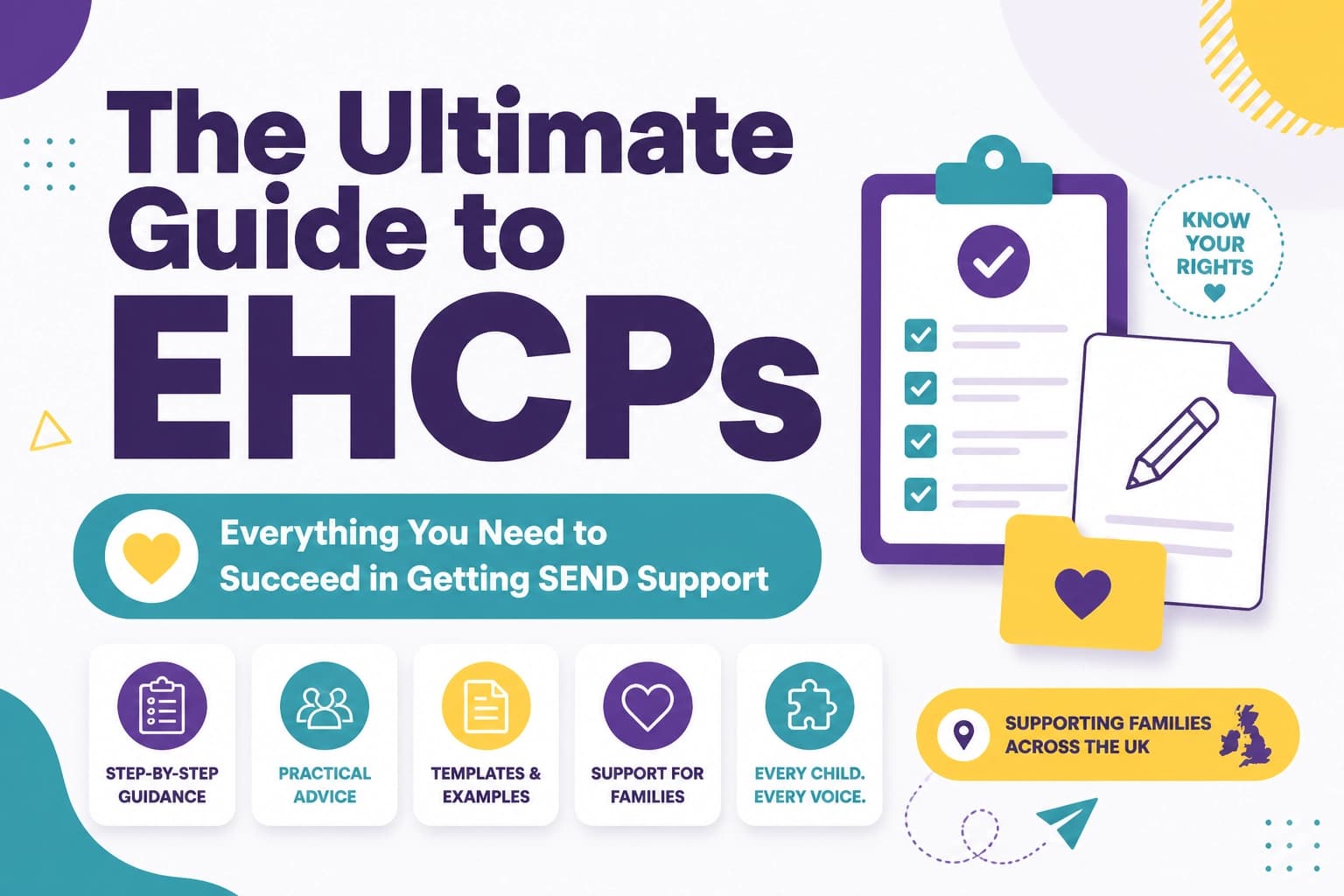
The Ultimate Guide to EHCPs: Everything You Need to Succeed in Getting SEND Support
You’re sitting at the kitchen table. It’s 10:00 PM. The house is finally quiet, but your mind is racing. Around you are stacks of school reports, doctor’s letters, and half-filled forms that feel like they’re written in a different language.
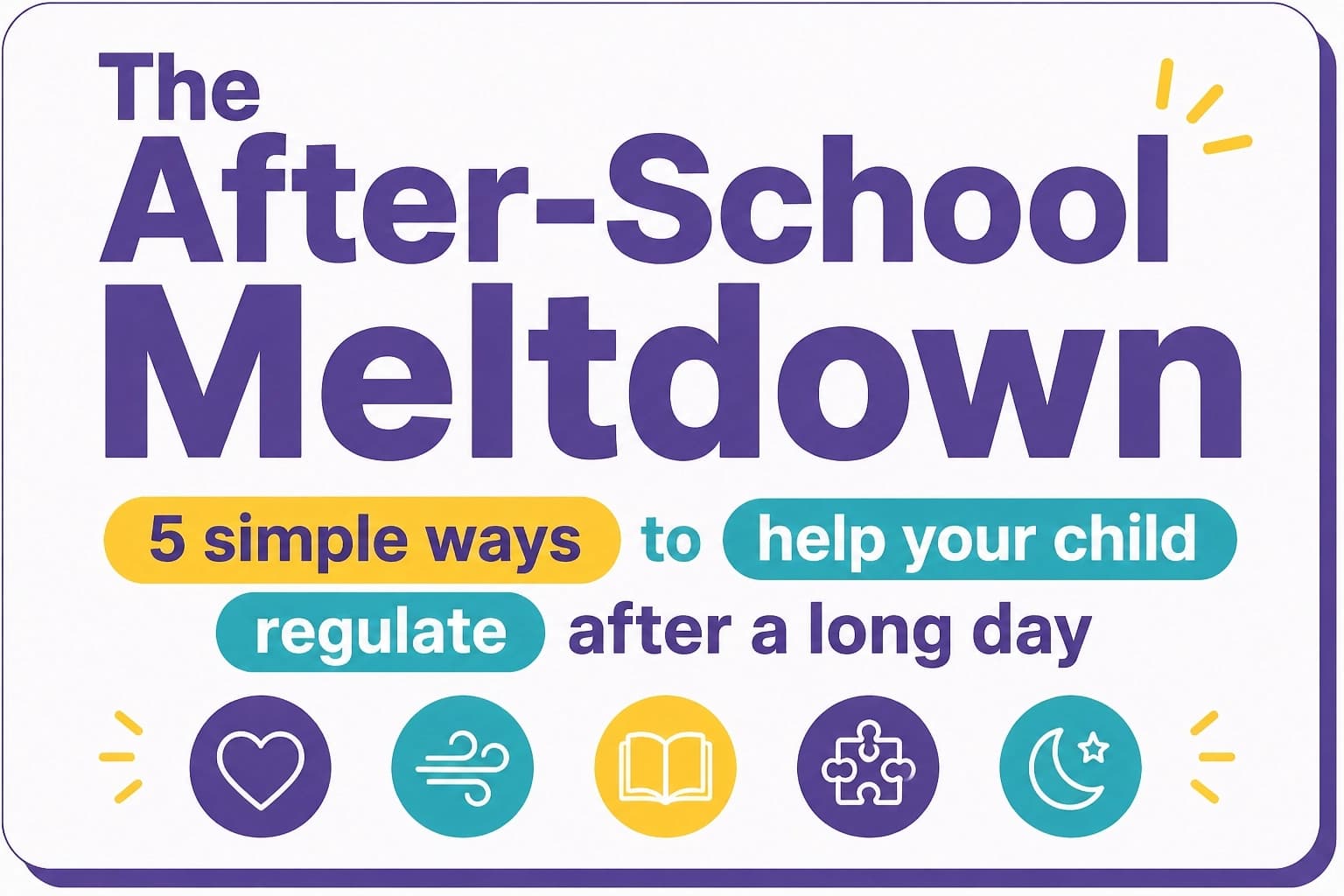
The After-School Meltdown: 5 simple ways to help your child regulate after a long day
You hear the front door click. You’ve been looking forward to this moment all day: the chance to finally catch up, hear about what they learned, and enjoy a peaceful evening together.

Finding Calm in the Chaos: How Sensory Spaces Support Wellbeing
Do you ever feel like the world is just... a bit too loud? Maybe it’s the hum of the fridge that suddenly feels like a jet engine.

Struggling With Sensory Overload? 15 Practical Ways to Help Your Child Regulate at Home
You’ve just walked through the front door after the school run. The door hasn't even clicked shut before the meltdown starts. Maybe it’s a scream, maybe it’s a sob, or maybe your child has completely retreated into themselves, refusing to speak or move.

7 Mistakes You’re Making with Sensory Meltdowns (And How to Fix Them)
<p></p> <p>You’re in the middle of the supermarket. Or maybe you’re at the park. Suddenly, it happens. </p> <p>The screaming starts. The kicking. The complete and utter shutdown. You can feel the eyes of every other parent in the vicinity burning into the back of your neck. You feel judged. You feel exhausted. And mostly, you feel helpless.</p> <p>If you’ve been there, I want you to take a deep breath. You aren't a "bad parent," and your child isn’t being "naughty." </p> <p>At Noa’s Place, we live this every day. My son, Noa, has taught me more about the neurodivergent experience than any textbook ever could. We’ve learned that when it comes to sensory meltdowns, most of the "traditional" parenting advice we’re given is actually making things worse.</p> <p>We’re all about meeting people where they are. We believe in "no masking", allowing our kids to be exactly who they are without the pressure to perform for a neurotypical world. </p> <p>But to do that, we have to stop making these seven common mistakes.</p> <h3>1. You’re Treating a Meltdown Like a Tantrum</h3> <p>This is the big one. We’ve been conditioned to think that any loud, disruptive behaviour is a tantrum. But they are worlds apart.</p> <p>A tantrum is goal-oriented. A child wants a toy, you say no, they cry. If you give them the toy, the crying stops instantly. It’s a choice.</p> <p>A sensory meltdown is not a choice. It is a biological "system crash." </p> <p>When a neurodivergent child experiences <a href="https://noasplace.org.uk/interactive-tools/sensory-overload">sensory overload</a>, their nervous system enters a state of fight, flight, or freeze. Their brain thinks they are in actual physical danger. </p> <p><strong>How to fix it:</strong> Stop looking for a "motive." Recognise that your child has lost control of their body and emotions. They don't need discipline in this moment; they need safety.</p> <p><img src="https://cdn.marblism.com/2_8JPed0sai.webp" alt="A young boy experiencing a sensory meltdown and overload, sitting on the floor with hands over his ears." style="max-width: 100%; height: auto;"></p> <h3>2. You’re Talking Way Too Much</h3> <p>When our kids are upset, our instinct is to soothe them with words. "It’s okay," "Just calm down," "Tell me what’s wrong," "Do you want a hug?"</p> <p>Stop.</p> <p>During a meltdown, the language-processing part of the brain (the pre-frontal cortex) has effectively gone offline. The "upstairs brain" is closed for business. </p> <p>All those words you’re saying? They are just more sensory input. More noise. More "stuff" for an already overloaded brain to try and process. You are accidentally adding fuel to the fire.</p> <p><strong>How to fix it:</strong> Use the "Less is More" rule. Use short, simple phrases if you have to speak at all. Better yet, try silence. Your calm presence is more powerful than any sentence you can construct.</p> <h3>3. You’re Using "Time Out" Instead of "Time In"</h3> <p>We’ve been told to "send them to their room until they can behave." </p> <p>But for a child in the middle of a sensory crisis, being sent away feels like abandonment during their scariest moment. It increases their anxiety, which increases the duration of the meltdown.</p> <p><strong>How to fix it:</strong> Try a "Time In" or a safe sensory space. This means staying with them (if they find your presence calming) or staying nearby so they know they are safe. </p> <p>If you’re looking for ways to create these spaces or understand your child's specific needs, our <a href="https://noasplace.org.uk/interactive-tools">interactive tools</a> can help you map out what a safe environment looks like for them.</p> <p><img src="https://cdn.marblism.com/ZMK3BpQ4C1v.webp" alt="Father and child in a quiet sheet den, a safe sensory space for emotional regulation and support." style="max-width: 100%; height: auto;"></p> <h3>4. You’re Trying to Reason During the Storm</h3> <p>"Why did you do that?" "You know we can't scream in the library." "If you stop now, we can go get ice cream."</p> <p>Logic and meltdowns don't mix. You cannot reason someone out of a biological response. It’s like trying to talk a fire into putting itself out. </p> <p>If you try to explain why their behaviour is "wrong" while they are mid-meltdown, you’re just going to frustrate yourself and overwhelm them.</p> <p><strong>How to fix it:</strong> Save the chat for later. Much later. Wait until they are fully regulated: sometimes that’s an hour later, sometimes it’s the next day. Talk about <a href="https://noasplace.org.uk/interactive-tools/feelings-coping">emotional regulation</a> when the sun is shining, not when the hurricane is hitting.</p> <h3>5. You’re Taking It Personally</h3> <p>When your child screams "I hate you" or hits out, it hurts. It’s easy to think, <em>After everything I do for them, this is how they treat me?</em></p> <p>But here’s the truth: It’s not about you. </p> <p>It’s about their sensory load. It’s about the tag on their shirt that feels like a thousand needles, or the hum of the fridge that sounds like a jet engine, or the fact that the school day was just too much "masking."</p> <p>At Noa’s Place, we always say that behaviour is communication. They aren't trying to hurt you; they are trying to survive a moment that feels impossible.</p> <p><strong>How to fix it:</strong> Depersonalise the situation. Remind yourself: <em>My child is having a hard time, not giving me a hard time.</em> This shift in mindset changes your entire energy, which helps them calm down faster.</p> <p><img src="https://cdn.marblism.com/3cGd884qb_h.webp" alt="Calm mother supporting a neurodivergent child's emotional regulation in a peaceful home setting." style="max-width: 100%; height: auto;"></p> <h3>6. You’re Ignoring the "Why"</h3> <p>If you only focus on stopping the screaming, you’re missing the most important part: what triggered it?</p> <p>Was the light too bright? Was the room too crowded? Was it a sudden change in routine? Often, meltdowns are the result of "sensory stacking": lots of little things adding up until the bucket overflows.</p> <p>If we don't look for the "why," we can't prevent the next one.</p> <p><strong>How to fix it:</strong> Become a sensory detective. Use tools like a <a href="https://noasplace.org.uk/interactive-tools/sensory-overload-teen">sensory profile</a> to track what bothers your child. Once you know the triggers, you can adapt the environment to meet them where they are.</p> <h3>7. You’re Rushing the Recovery</h3> <p>The screaming stops. They take a deep breath. You think, <em>Thank goodness, back to normal.</em> You ask them to put their shoes on or finish their homework.</p> <p>And... boom. They go off again.</p> <p>A meltdown leaves a "sensory hangover." The body is flooded with cortisol and adrenaline. Even when the outward explosion stops, the internal system is still incredibly fragile.</p> <p><strong>How to fix it:</strong> Focus on recovery. This means low-demand time. No questions, no chores, no big expectations. Give them a weighted blanket, a dark room, or their favourite repetitive activity. Let their nervous system fully reset before you ask anything of them.</p> <p><img src="https://cdn.marblism.com/8LpHo5lTlS1.webp" alt="A teenager using a weighted blanket for sensory recovery after a meltdown, part of neurodiversity support in Halifax." style="max-width: 100%; height: auto;"></p> <h3>We’re Building a Community (Literally)</h3> <p>At Noa's Place, we get it. We know that neurodiversity support in Halifax (and beyond) can sometimes feel like a maze. </p> <p>That’s why we’re working hard on our physical hub at Fearnley Mill in Halifax. We want to create a space where "no masking" isn't just a slogan, but a reality. A place where sensory rooms are the norm and where families don't have to apologise for a meltdown.</p> <p>While our CIO application is in progress and we wait for our building to be ready, our online community is very much alive and kicking. We are here to support you right now.</p> <p>You don't have to do this alone. If you're feeling overwhelmed or just need to chat with people who actually "get it," feel free to <a href="https://noasplace.org.uk/contact">reach out to us</a>. </p> <p>Whether you're looking for <a href="https://noasplace.org.uk/interactive-tools/all-about-me-child">all about me</a> resources to help school understand your child, or you just need to know you aren't the only one struggling with the supermarket run: we've got you.</p> <p>You’re doing a great job. Your child is lucky to have a parent who cares enough to learn a better way. </p> <p>Let's stop fixing the "behaviour" and start supporting the human. </p> <p>See you in the community!</p> <hr> <p><em>Want more tips on navigating neurodiversity? Check out our <a href="https://noasplace.org.uk/about">About Page</a> to see what we're all about or browse our <a href="https://noasplace.org.uk/interactive-tools">interactive tools</a> for practical help today.</em></p>
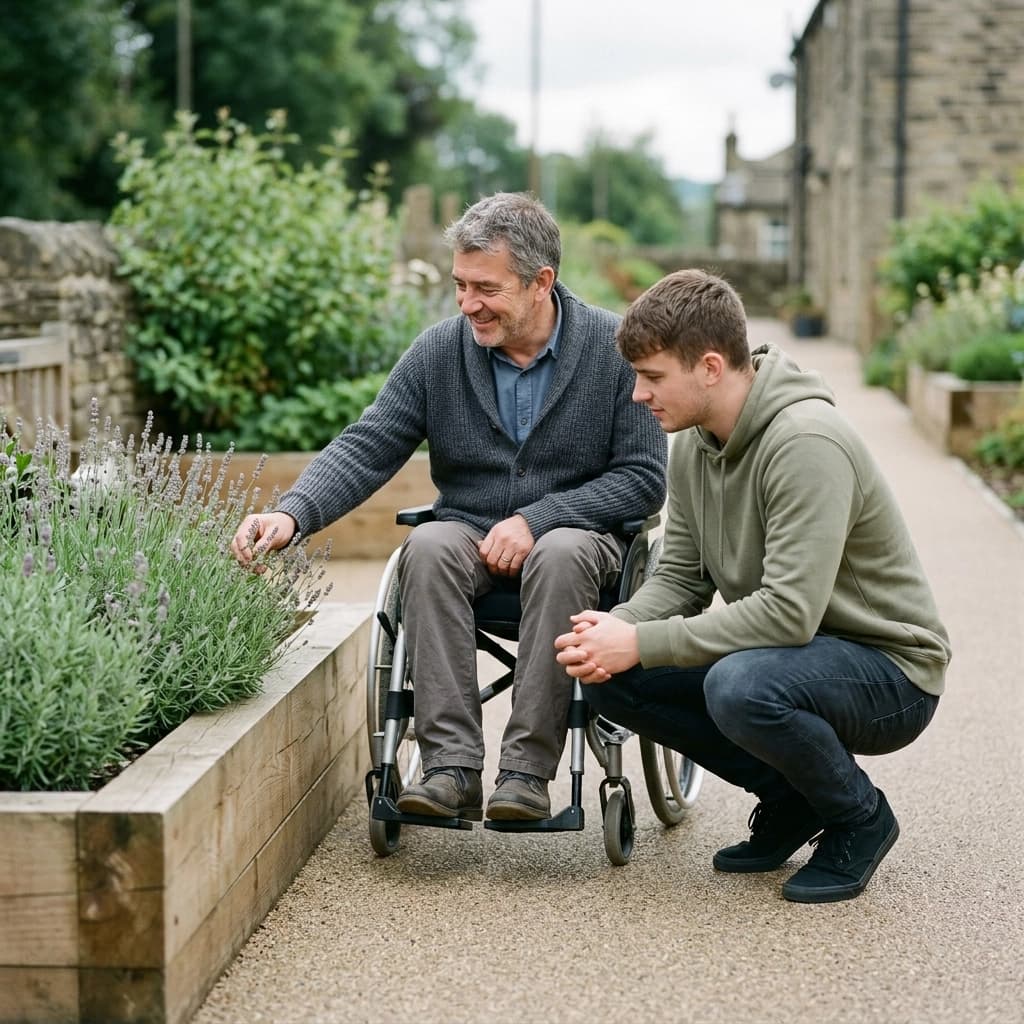 Featured
Accessibility from the Ground Up: How We’re Designing for MS in Halifax
<p></p> <p>If you live in Halifax, or anywhere across West Yorkshire, you know that our landscape is beautiful, but it isn't exactly "MS-friendly." We’ve got steep hills, cobbled streets, and narrow pavements that seem designed to make life difficult if you’re managing mobility issues or fatigue.</p> <p>With <strong>MS Awareness Week (20-26 April)</strong> fast approaching, we’ve been thinking a lot about what it means to truly design for Multiple Sclerosis. </p> <p>At Noa’s Place, we’re currently in our online phase while we work on our CIO application (that’s the process of becoming a registered charity). But while we are building our community digitally, our eyes are firmly fixed on the physical future: a 6,000 to 10,000 sq ft hub right here in Halifax designed specifically for people like you.</p> <p>When we say "from the ground up," we mean it. We aren't just slapping a ramp on an old building. We are rethinking what a community space should look and feel like for someone living with MS.</p> <h2>Why MS Awareness Week Matters to Us</h2> <p>MS Awareness Week is about more than just a ribbon or a social media post. It’s about highlighting the "invisible" side of the condition. It’s about the person who looks "fine" but is fighting a battle with nerve pain, or the parent who desperately wants to take their kids to a play centre but knows the sensory overload and lack of rest areas will wipe them out for three days.</p> <p>We want Noa’s Place to be a game-changer for MS support in West Yorkshire. We want to take the stress out of leaving the house. </p> <p><img src="https://cdn.marblism.com/eDe7U8GbuNo.webp" alt="A woman reflecting at home in Halifax, highlighting the need for local MS support services." style="max-width: 100%; height: auto;"></p> <h2>Designing for the Reality of MS</h2> <p>If you’re living with MS, you’ve probably experienced the "accessibility gamble." You check a website, it says "wheelchair accessible," but when you get there, the lift is broken, the "accessible" toilet is being used as a broom cupboard, and the corridors are so narrow you’re constantly bumping into walls.</p> <p>We’re doing things differently. Here is how we are planning the physical space of our Halifax hub:</p> <h3>1. Space to Breathe (and Move)</h3> <p>Our hub will be between 6,000 and 10,000 sq ft. Why so big? Because space is a luxury that people with mobility aids often don’t get. We are designing wide, generous corridors where two wheelchairs can pass each other comfortably. No more awkward "I’ll back up into this doorway while you squeeze past" dances.</p> <h3>2. Flat Surfaces and Zero Barriers</h3> <p>Halifax is hilly enough. Inside Noa’s Place, everything will be perfectly flat. We’re talking about high-quality, slip-resistant flooring that doesn’t catch on wheels or trip up tired feet. Every doorway will be wide, every threshold will be flush, and every area will be reachable without a struggle.</p> <h3>3. Changing Places Toilets</h3> <p>A standard "disabled toilet" often isn't enough for people with more complex needs. We are committed to including <strong>Changing Places</strong> facilities. These are larger rooms with hoists, privacy screens, and adult-sized changing benches. It’s about dignity. It’s about being able to stay out for the whole day without worrying about where you’ll go to the loo.</p> <h2>Tackling the "Invisible" Symptom: Fatigue</h2> <p>One of the most debilitating parts of MS is the fatigue. It’s not just being "tired"; it’s a total system shutdown. </p> <p>In most community spaces, if you need to rest, your only option is a hard plastic chair in a noisy cafe. That doesn't help. In fact, the noise and lights usually make the fatigue worse.</p> <p>That’s why our plans include <strong>Quiet Regulation Rooms</strong>. </p> <p>These are dedicated spaces designed for rest and sensory regulation. Think soft lighting, comfortable places to lie down or recline, and, most importantly, silence. If you’re visiting the hub and your body tells you it’s had enough, you don’t have to go home and end your day. You can head to a regulation room, recharge for half an hour, and then rejoin your family or friends.</p> <p>If you struggle with sensory processing as part of your MS, you might find our <a href="https://noasplace.org.uk/interactive-tools/sensory-profile-adult">Sensory Profile Adult tool</a> or our <a href="https://noasplace.org.uk/interactive-tools/sensory-overload">Sensory Overload guide</a> helpful right now, even before our doors open.</p> <p><img src="https://cdn.marblism.com/iQO3ymqMuWN.webp" alt="A young boy using noise-cancelling headphones in a sensory-friendly quiet room for emotional regulation." style="max-width: 100%; height: auto;"></p> <h2>Support for the Whole Family</h2> <p>MS doesn't just happen to one person; it affects the whole family. We’ve spoken to so many carers and partners in West Yorkshire who feel like they are "winging it." </p> <p>At Noa’s Place, we want to be the support system for the support system. </p> <h3>Navigating the Red Tape: DLA and PIP Workshops</h3> <p>Let’s be honest: the benefits system in the UK is a nightmare. Filling out forms for Personal Independence Payment (PIP) or Disability Living Allowance (DLA) is exhausting and emotionally draining. </p> <p>We will be hosting regular workshops to help you navigate these applications. We want to take the "fear of the form" away by providing peer support and practical advice on how to tell your story in a way the DWP understands. </p> <h3>Peer Support for Carers</h3> <p>Being a carer is a tough job, and it can be a lonely one. We’ll be facilitating peer support groups where you can talk to people who actually "get it." No judgment, no pity, just a coffee and a chat with people who know exactly why you’re frustrated or tired.</p> <p>For those looking for immediate ways to help their family members express how they feel, our <a href="https://noasplace.org.uk/interactive-tools/all-about-me-adult">All About Me (Adult)</a> tool is a great way to start documenting your needs and preferences.</p> <h2>More Than Just a Building</h2> <p>While we are working hard on the plans for our physical home in Halifax, Noa’s Place is already a growing community online. We believe that everyone deserves a place where they feel safe, seen, and supported. </p> <p>We know that life with MS involves a lot of transitions, changing symptoms, changing needs, and sometimes changing identities. Our <a href="https://noasplace.org.uk/interactive-tools/life-transitions">Life Transitions</a> and <a href="https://noasplace.org.uk/interactive-tools/my-transitions">My Transitions</a> tools are designed to help you navigate those shifts with a bit more confidence.</p> <p><img src="https://cdn.marblism.com/CG-W4Yo3pg-.webp" alt="Two men sharing lived experiences of MS during a peer support session in a welcoming community space." style="max-width: 100%; height: auto;"></p> <h2>Join Our Founding Families</h2> <p>We aren't designing this space in a vacuum. We want the people who will actually use it, people living with MS, their kids, their partners, and their carers, to tell us what they need.</p> <p>We are looking for <strong>'Founding Families'</strong> to help shape Noa’s Place. </p> <p>By joining us now, while we are still in our online growth phase, you can have a direct say in how our Halifax hub is built. </p> <ul> <li>Should the regulation rooms have weighted blankets? </li> <li>What kind of workshops would be most helpful for your children? </li> <li>What’s the one thing you wish existed in Halifax but doesn't?</li> </ul> <p>You are the experts on your own lives. We are just here to build the walls (and the very wide doors) around your expertise.</p> <h2>Looking Ahead to MS Awareness Week</h2> <p>As we move toward April 20th, we’d love for you to get involved with us. Whether it’s sharing your story, using our <a href="https://noasplace.org.uk/interactive-tools">interactive tools</a>, or just following our journey as we apply for charity status, you are part of this.</p> <p>West Yorkshire deserves a gold-standard accessible hub. Halifax deserves a place where "inclusion" isn't just a buzzword, but a physical reality built into the very foundations.</p> <p>If you want to learn more about our vision or if you have questions about how we’re designing for MS, please <a href="https://noasplace.org.uk/contact">get in touch with us</a>. We’d love to hear from you.</p> <p><img src="https://cdn.marblism.com/BkMDujDYMI0.webp" alt="A family enjoying an accessible park path in Halifax, designed for wheelchair mobility and inclusion." style="max-width: 100%; height: auto;"></p> <h3>How can you help today?</h3> <ol> <li><strong>Explore the Tools:</strong> Check out our <a href="https://noasplace.org.uk/interactive-tools/safety-plan">Safety Plan</a> or <a href="https://noasplace.org.uk/interactive-tools/feelings-coping">Feelings & Coping</a> tools if you're feeling overwhelmed.</li> <li><strong>Share the Vision:</strong> Tell your friends and family in Halifax about Noa’s Place. The more voices we have, the better our hub will be.</li> <li><strong>Become a Founding Family:</strong> Contact us to find out how you can help shape our future space.</li> </ol> <p>We’re building something special, and we’re doing it one accessible brick at a time. Thank you for being part of the journey. </p> <p>Together, we’re making Halifax a place where MS doesn’t mean missing out.</p> <hr> <p><em>Noa’s Place is a community-led organisation. We are currently in the process of applying for charity status (CIO application in progress). To learn more about our journey and our future plans, visit our <a href="https://noasplace.org.uk/about">About Page</a>.</em></p>
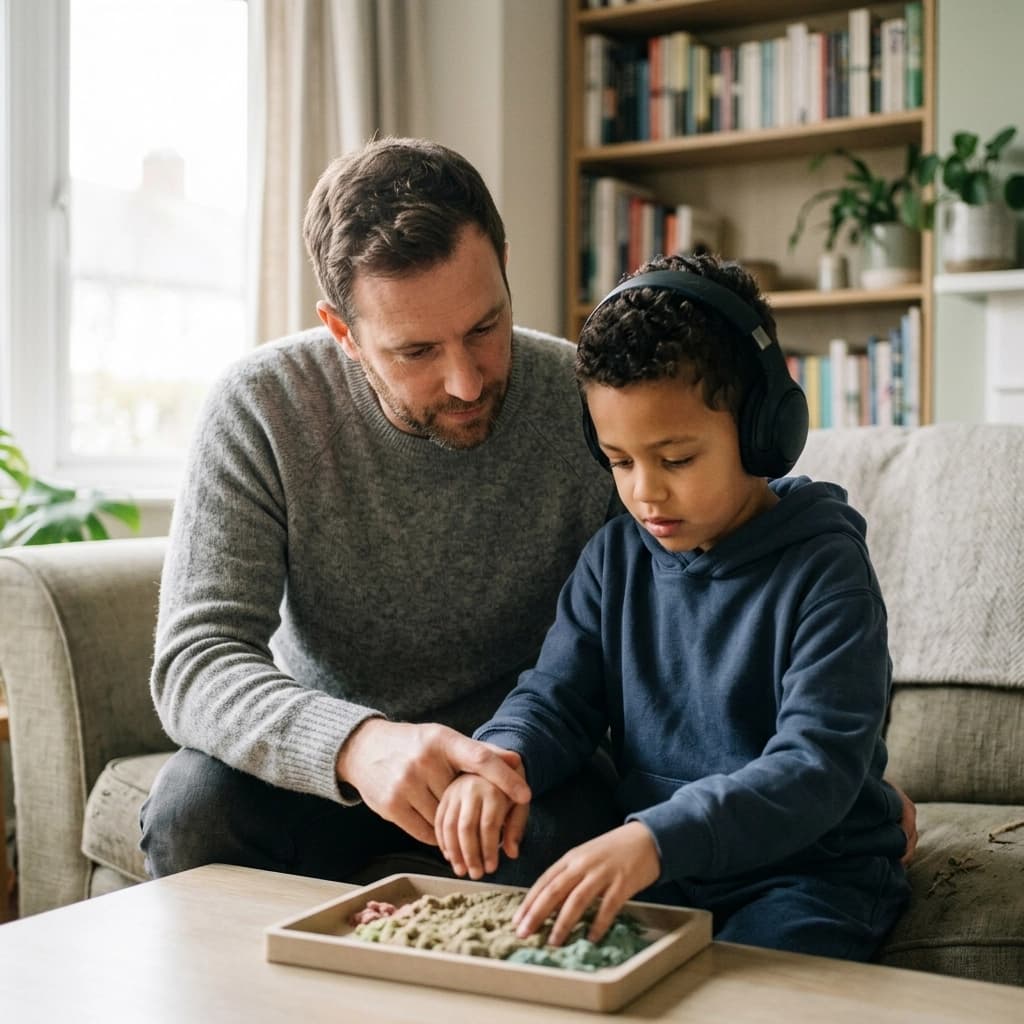 Featured
SEND Reform: Turning Policy into Real Support for Our Families
<p></p> <p>If you joined us for our recent SEND Reform Webinar, you’ll know that the atmosphere was a mix of hope, frustration, and a lot of “how does this actually work for my child?” </p> <p>We know the feeling. When you’re sitting at your kitchen table at 10 PM, trying to figure out why your child is struggling at school, the last thing you want to read is a 100-page government policy document. You want to know what support is available <em>now</em>, why the school says they have no budget, and how to get people to listen.</p> <p>At Noa’s Place, we’re all about making this journey a bit less lonely. We aren't an open building just yet: we are currently an online community-led organisation (with our CIO application in progress): but our mission is to bring the experts to you so you don't have to go hunting for answers alone. </p> <p>Following our webinar, we’ve pulled together the most important takeaways. We’re moving away from the abstract policy talk and looking at the real-life impact on your family.</p> <hr> <h3>The Reality of Funding: Where Does the Money Actually Go?</h3> <p>One of the biggest talking points from our session with Lisa Simpson, a seasoned Headteacher who lives and breathes this stuff, was the "£11,000 figure." </p> <p>You might have heard it mentioned in policy debates: the idea that schools have a specific amount of money allocated per pupil with SEND. But as Lisa pointed out, the reality on the ground is much messier. </p> <p>"Parents often hear these figures and think there is a pot of gold with their child's name on it," Lisa explained. "But that money: the 'notional SEN budget': is often spread incredibly thin. It isn't a direct payment to the child; it’s part of the school's overall budget used to provide the 'additional or different' support that many children need."</p> <p>The hard truth? Most schools are subsidising their SEND provision from other areas. This is why you might be told there isn't enough staff for a 1:1, even if it feels like your child clearly needs it. Understanding that the system is underfunded doesn't make it any less frustrating, but it does help you understand why you might be meeting resistance. It isn't always that the school doesn't <em>want</em> to help; it’s that they are playing a very difficult game of Tetris with their resources.</p> <p><img src="https://cdn.marblism.com/hokXwfq8Zuj.webp" alt="A father reviewing school letters and SEND support documents at his kitchen table." style="max-width: 100%; height: auto;"></p> <h3>Practical Escalation: Who Do You Talk To?</h3> <p>When you feel like things aren't moving, it’s easy to feel stuck. Lisa shared a very clear path for escalation that every parent should have in their back pocket. Don't feel like you're being a "difficult parent": you are your child’s best advocate.</p> <ol> <li><strong>The Class Teacher:</strong> Always start here. They see your child every day. Share what you see at home.</li> <li><strong>The SENCO (Special Educational Needs Co-ordinator):</strong> If the teacher can’t provide the answers or the support isn't working, the SENCO is your next stop. They oversee the provision across the whole school.</li> <li><strong>The Headteacher:</strong> If you aren't getting anywhere with the SENCO, it’s time for a formal chat with the Head.</li> <li><strong>Governors or the Trust:</strong> If the school still isn't meeting its statutory duties, you have the right to approach the governing body or the Multi-Academy Trust (MAT).</li> </ol> <p><strong>Penny’s Tip:</strong> Keep everything in writing. If you have a chat at the school gate, follow it up with an email: <em>"Just to confirm what we discussed this morning..."</em> This creates a paper trail that is vital if you ever need to go to a tribunal.</p> <hr> <h3>Don’t Wait for 2030: Ask the Questions Now</h3> <p>The government has a lot of big plans for "SEND Reform" by 2030. But your child is in school <em>now</em>. Their childhood isn't on hold while policies are being debated in Westminster.</p> <p>Lisa’s advice was clear: <strong>Don’t wait.</strong> </p> <p>Ask your school today: </p> <ul> <li>"How are you identifying SEND in this classroom?"</li> <li>"What is your 'graduated response' for my child?" </li> <li>"What specific interventions are being used, and how are we measuring if they work?"</li> </ul> <p>You don't need a formal diagnosis or a piece of paper to start the "Assess, Plan, Do, Review" cycle. Schools have a duty to support children based on <em>need</em>, not just a label.</p> <p><img src="https://cdn.marblism.com/vWRdXinADQF.webp" alt="A school SENCO kneeling to support a young child using a sensory toy in a classroom." style="max-width: 100%; height: auto;"></p> <hr> <h3>Expert Voices: Recognition and Early Action</h3> <p>During the webinar, we were joined by Dr. Lucy and Megan, a parent who has been through the trenches of the SEND system. Their insights were a powerful reminder of why we do what we do at Noa's Place.</p> <h4>Dr. Lucy: The Power of Early Recognition</h4> <p>Dr. Lucy spoke about how early recognition: not necessarily a formal diagnosis, but simply acknowledging that a child’s development is taking a different path: is a game-changer. "When we recognise needs early, we can influence developmental pathways positively," she said. "It’s about lowering the anxiety for the child and the family before the 'struggle' becomes their identity."</p> <h4>Megan: It’s Not Just a Piece of Paper</h4> <p>Megan’s perspective hit home for many of us. She spoke about the long, exhausting wait for an EHCP (Education, Health and Care Plan). "For a long time, I thought the EHCP was the only way my son would get help," she shared. "But I realized that support shouldn't wait for a piece of paper. The school can: and should: act now. We need to stop seeing the EHCP as the start line. The support starts the moment we notice they’re struggling."</p> <p>This is something we feel deeply at Noa's Place. Whether you are at the start of your journey or years into it, your child’s needs are valid today.</p> <hr> <h3>The Joined-Up Approach: Health and Education</h3> <p>Lisa Simpson also touched on a vital point: the gap between health services (like Speech and Language Therapy or Occupational Therapy) and the education system. </p> <p>Before a child even starts school, there should be a "joined-up approach." If your child is seeing a specialist through the NHS, ensure those reports are getting to the school well before the first day of term. The more "joined-up" the professionals are, the less likely your child is to fall through the cracks.</p> <hr> <h3>Resources for Your Journey</h3> <p>We know how overwhelming it is to search for "SEND help" on Google and get millions of results. Here are the three we recommend most often:</p> <ul> <li><strong><a href="https://speechandlanguage.org.uk/">Speech and Language UK</a>:</strong> Brilliant resources if you’re concerned about communication.</li> <li><strong><a href="https://www.ipsea.org.uk/">IPSEA</a>:</strong> The gold standard for free, independent legal advice on SEND.</li> <li><strong><a href="https://councilfordisabledchildren.org.uk/about-us-0/networks/sendiass-information-advice-and-support-services-network">SENDIAS</a>:</strong> Every local area has an Information, Advice and Support Service. They are there to help you navigate the local offer.</li> </ul> <p><img src="https://cdn.marblism.com/CCWUV42Tyuf.webp" alt="Close-up of a child's hands engaging in calming sensory play with kinetic sand." style="max-width: 100%; height: auto;"></p> <h3>How Noa’s Place Can Help You Right Now</h3> <p>We know that waiting for appointments or school meetings can feel like a lifetime. That’s why we’ve built a range of <strong>Interactive Tools</strong> designed to help you understand your child’s needs and communicate them more effectively to professionals.</p> <p>If you’re feeling overwhelmed, why not try one of these?</p> <ul> <li><strong><a href="https://noasplace.org.uk/interactive-tools/all-about-me-child">All About Me (Child)</a>:</strong> A simple way to help your child share their strengths and what they find tricky.</li> <li><strong><a href="https://noasplace.org.uk/interactive-tools/sensory-profile-adult">Sensory Profile</a>:</strong> (We have these for adults and children!) Helping you figure out why certain environments are so tough.</li> <li><strong><a href="https://noasplace.org.uk/interactive-tools/feelings-coping">Feelings & Coping</a>:</strong> Tools to help manage the emotional rollercoaster of the SEND journey.</li> </ul> <p>You can find our full range of support tools here: <strong><a href="https://noasplace.org.uk/interactive-tools">Noa’s Place Interactive Tools</a></strong>.</p> <hr> <h3>A Final Thought from Josh</h3> <p>When I started Noa's Place, it was inspired by my son, Noa. Navigating the world of disability and community support can feel like trying to find your way through a forest without a map. But if there’s one thing I’ve learned, it’s that we are stronger when we share our maps with each other.</p> <p>The SEND reforms might be changing the landscape, but our commitment to our families remains exactly the same. We are here to help you turn those abstract policies into real, tangible support for your children.</p> <p>You aren’t alone in this. We’ve got you.</p> <p><strong>Warmly,</strong></p> <p><strong>Josh & the Noa's Place Team</strong></p> <p><em>Noa’s Place is a community-led organisation. We are currently in the process of applying for charity status (CIO application in progress). To learn more about our story, visit our <a href="https://noasplace.org.uk/about">About Page</a> or <a href="https://noasplace.org.uk/contact">Get in Touch</a>.</em></p> <p><img src="https://cdn.marblism.com/0zPgDib32z7.webp" alt="A father and son looking at a tablet together for digital SEND support tools." style="max-width: 100%; height: auto;"></p>

The Ultimate Guide to EBSA: What to Do When Your Autistic Child Won’t Go to School
It’s 7:30 am on a Tuesday. The uniform is laid out, the school bag is packed, and the toast is getting cold on the table. But your child is under the duvet — EBSA isn’t refusal, it’s a nervous system at its limit.

Sensory Rooms Aren't Just for Kids: Supporting Parkinson's at Noa’s Place
Hi, I’m Josh Barnes, the founder of Noa’s Place. If you’ve been following our journey for a while, you know that we are all about creating a world where everyone: regardless of their neurodivergence or disability: feels like they truly belong.

The Ultimate Guide to EBSA: Helping Your Child When School Feels Too Much
It’s Monday morning. The alarm goes off, and instead of the usual rush to find matching socks, there’s a heavy silence. Or perhaps there are tears.

5 Steps to Better Co-Regulation: An Easy Guide and Planner for Emotional Regulation
Have you ever found yourself in the middle of a supermarket aisle, or perhaps just on your own living room floor, feeling your own heart rate climb while your child is having a total meltdown? If you have, please know you are not alone. We’ve all been there.
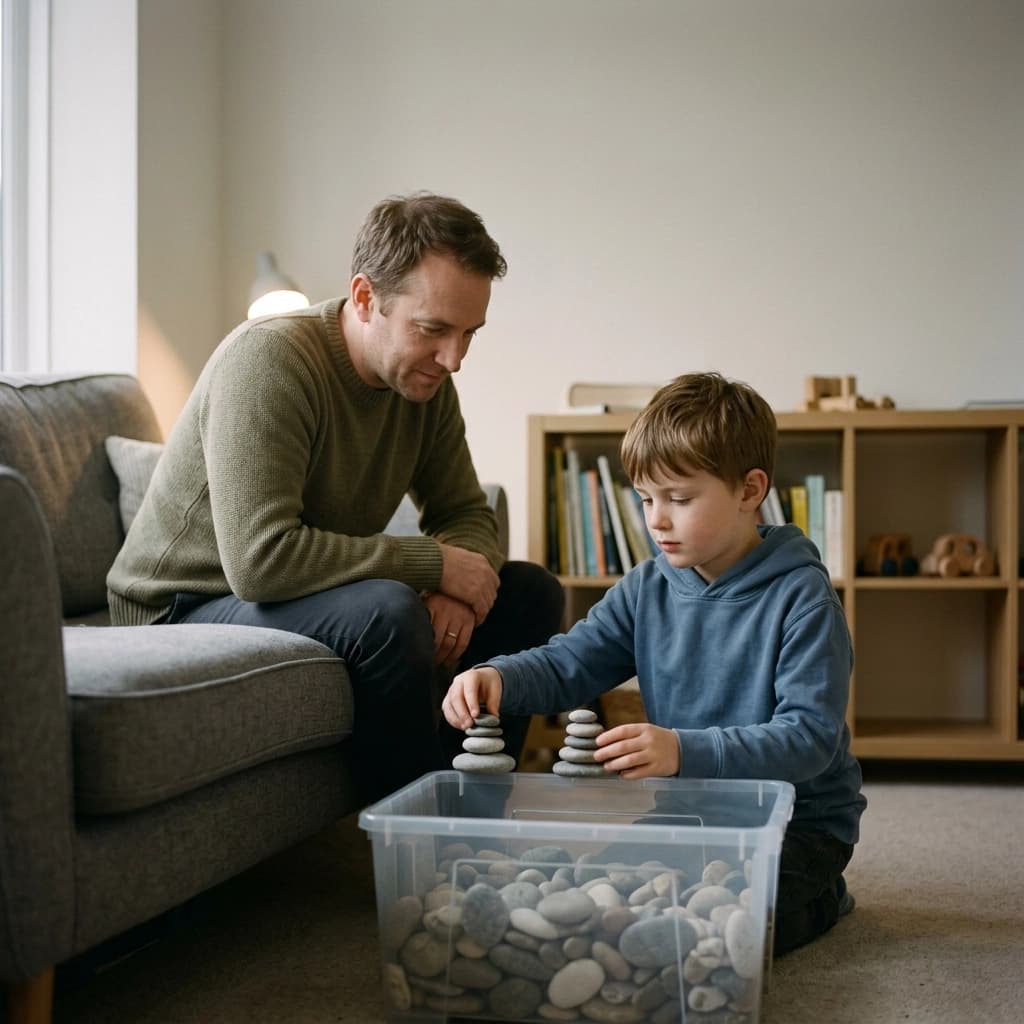
World Autism Acceptance Month: Why Acceptance is the Goal
April is here, and with it comes a lot of talk about autism. You’ve probably seen the posters, the social media badges, and the landmarks lit up in different colours.
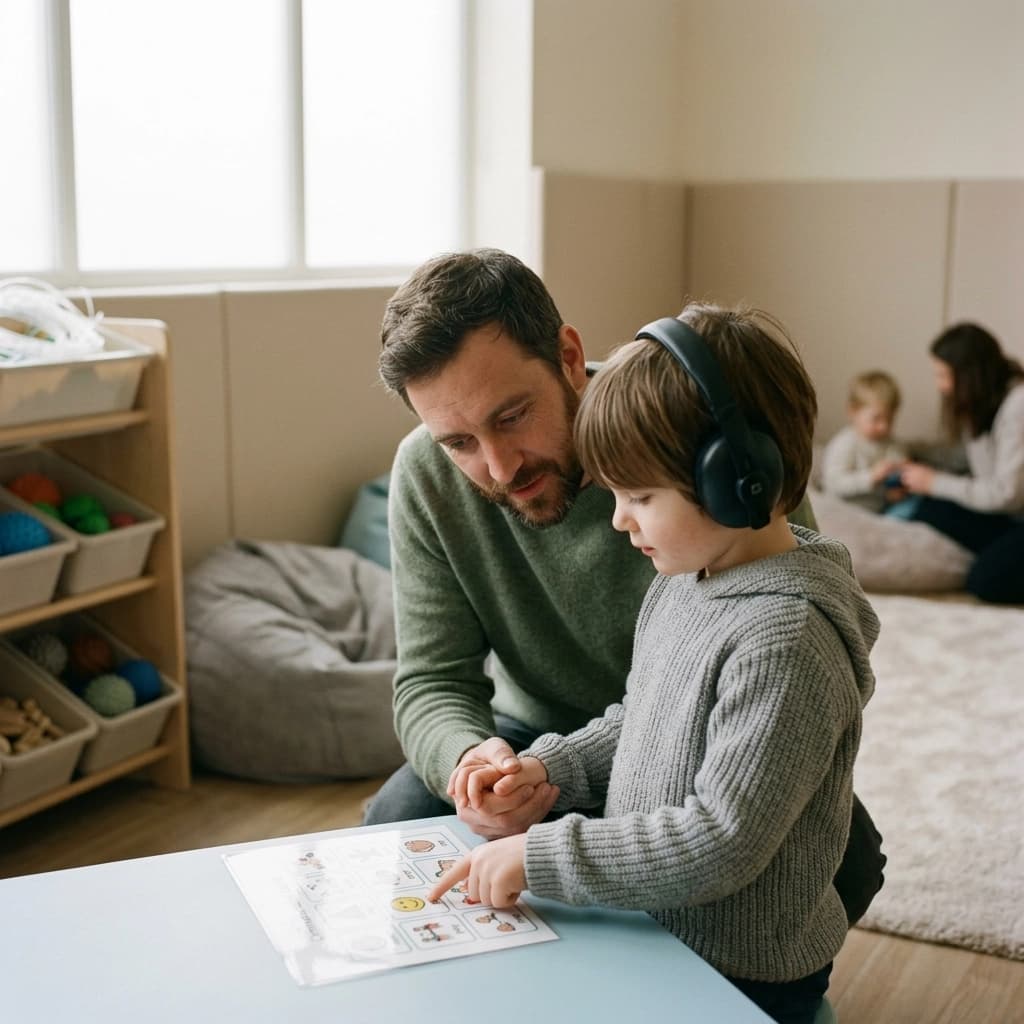
Founding Families Spotlight: Why Calderdale Needs an Inclusive Hub
Happy World Autism Acceptance Month, everyone. If you’re reading this, chances are you’re either navigating the world of neurodiversity yourself, or you’re walking that path alongside someone you love.

Beyond Awareness: Making Halifax Truly Autism-Friendly with Noa’s Place
Hi everyone, Josh here. If you’ve been following our journey at Noa’s Place for a while, you’ll know that everything we do comes from a place of lived experience.
7 Mistakes You’re Making with ADHD Family Support
Let’s be real for a second. Parenting is hard. Parenting a child with ADHD? That’s a whole different ball game. It’s like trying to navigate a ship through a permanent storm while everyone else seems to be sailing on a calm, sunny lake.
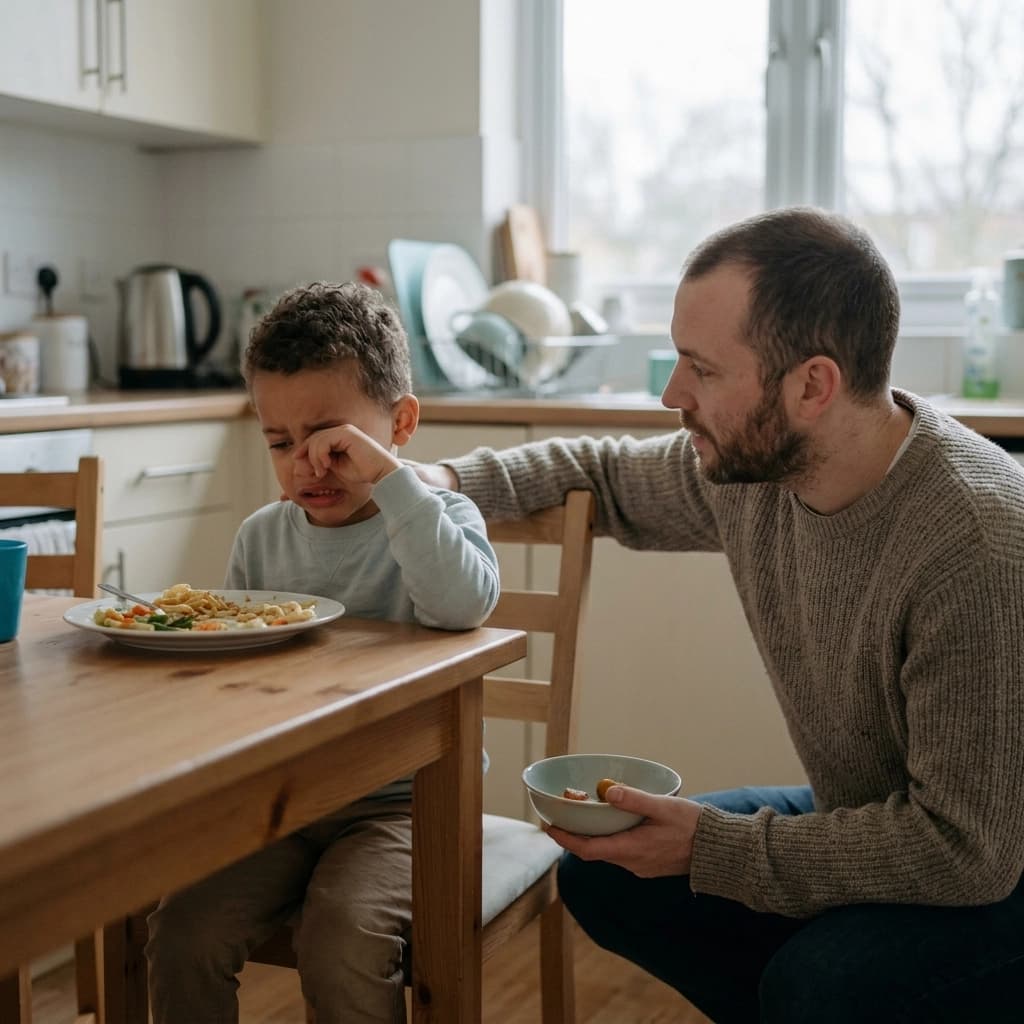
Why Your Child Melts Down When They’re Hungry (But Won’t Eat)
You know the moment. We’ve all been there. You ask your child, "Are you hungry, love?" and they give you a flat "No." They might even seem a bit annoyed you asked. You move on. Ten minutes later, the world ends. The toast is the wrong shape.
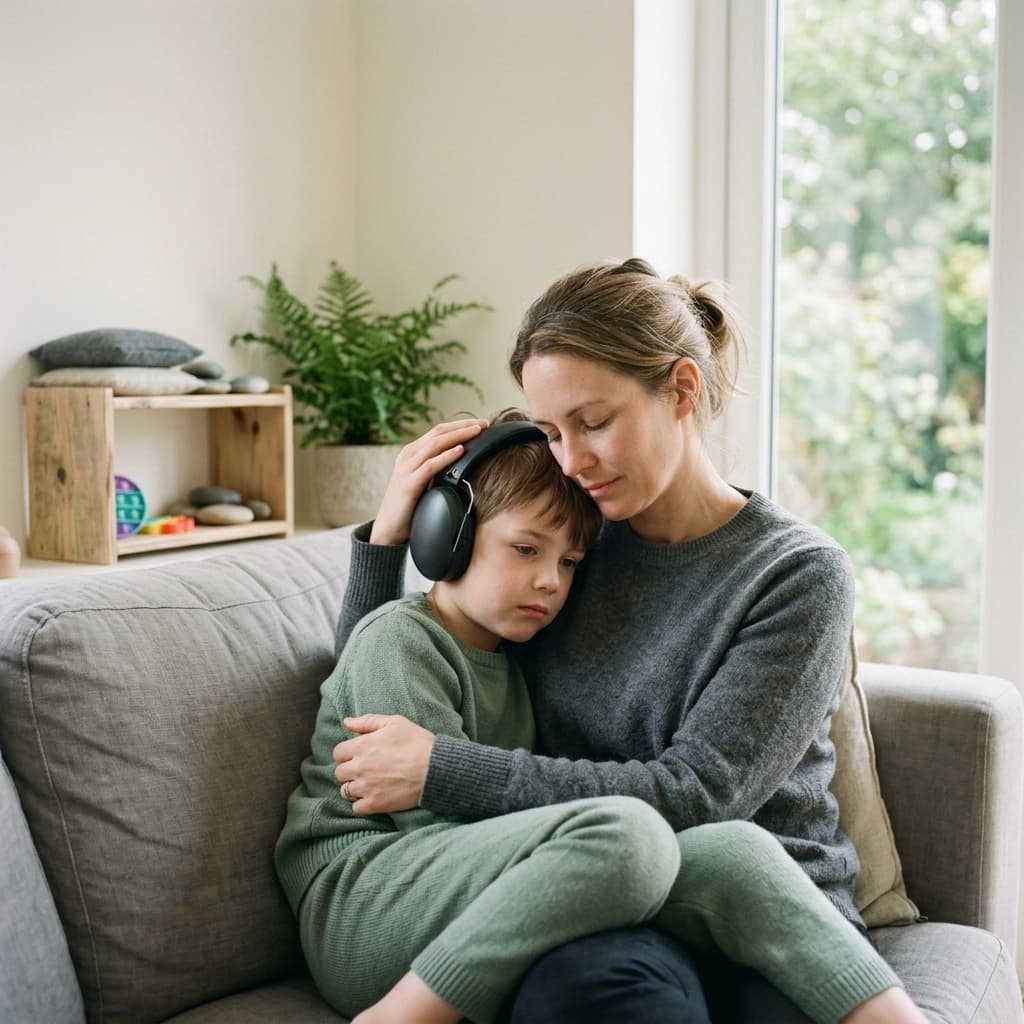
7 Mistakes You’re Making with Sensory Overload (and How to Fix Them Using a Sensory Profile)
Ever had one of those days where the sound of the kettle boiling feels like a physical punch to the gut? Or maybe you’ve watched your child go from "perfectly fine" to a full-blown meltdown in the middle of the supermarket, and you’re left wondering what on earth just happened?
 Featured
The Road to the Hub: Why Our Community is Already Growing (Even Without the Keys)
I’ll be honest with you: I spend a lot of time thinking about keys. I think about the weight of them in my pocket, the sound they’ll make when they turn in a lock for the first time, and the feeling of pushing open a heavy door to welcome you all inside.

Celebrating Neurodiversity Week: Why Our Halifax Hub is More Than Just a Building
If you’ve been following our journey at Noa’s Place, you know we’re usually pretty busy behind the scenes. But this week feels different. It’s March 17th, which means we are right in the middle of Neurodiversity Celebration Week (March 16-22, 2026).

Top 10 Sensory Friendly Activities for Adults: Why Everyone Needs a Calm Space to Unwind
Being an adult is hard enough without having to mask your sensory needs. We’ve put together 10 simple, sensory-friendly ways to help you decompress and find your calm, right where you are.

The Ultimate Guide to SEND Support in Halifax: Navigating the System with Noa’s Place
If you’re reading this, chances are you’re tired. Maybe you’re tired of the endless phone calls. Maybe you’re tired of being told to wait and see while your child struggles. Or maybe you’re just tired of feeling like you’re the only person in Halifax fighting to get your child the support they deserve.
 Featured
Noa’s Place Statement on the Government’s SEND Every Child Achieving and Thriving White Paper
Noa’s Place responds to the Government’s proposed SEND reforms and outlines what families say must happen for change to genuinely improve support.
Noa’s Place on the Government’s Early Support & SEND Prevention Announcement
Noa’s Place welcomes the government’s commitment to building a prevention-first early support system rooted in fairness, connection and long-term outcomes for children and families.

Finding Calm at Christmas: Support Through the Festive Season
Christmas is magical, but it can also be overwhelming for children with sensory needs or SEND. At Noa’s Place, we’re sharing gentle ways to help families find calm, connection, and moments of joy during the holidays.

A Small but Significant Step Forward
This month, we reached a milestone in the journey of Noa’s Place — our first official trustee meeting, the approval of our constitution, and the welcoming of our new Co-Chairs, Megan and Laura. This step brings us closer to opening a space where families feel understood, supported, and never alone.
Our Story: Why We Started Noa’s Place
Noa’s Place was born out of our family’s journey with our son Noa, who has complex sensory needs. What began in isolation and heartbreak has grown into a vision for a safe, inclusive hub where families with additional needs can find warmth, understanding, and belonging.
ADHD Awareness Month
October is ADHD Awareness Month — a time to listen, learn, and celebrate neurodiversity. At Noa’s Place, we’re standing with families and individuals who think differently, helping build a world where everyone feels understood, supported, and truly belongs.

Meet the Trustees of Noa’s Place
Meet the dedicated trustees behind Noa’s Place — a passionate team of parents, professionals, and advocates united by one mission: to create a world where children, adults, and families of every ability can play, learn, and belong together.
Our Three Year Strategy: Together We Make Space for Every Family to Shine
This is our three year strategy for Noa’s Place. A clear, compassionate plan rooted in lived experience, early support, and community. We are building something steady, inclusive, and sustainable — together.
Get new guides by email
Get updates from Noa's Place. You can unsubscribe any time.