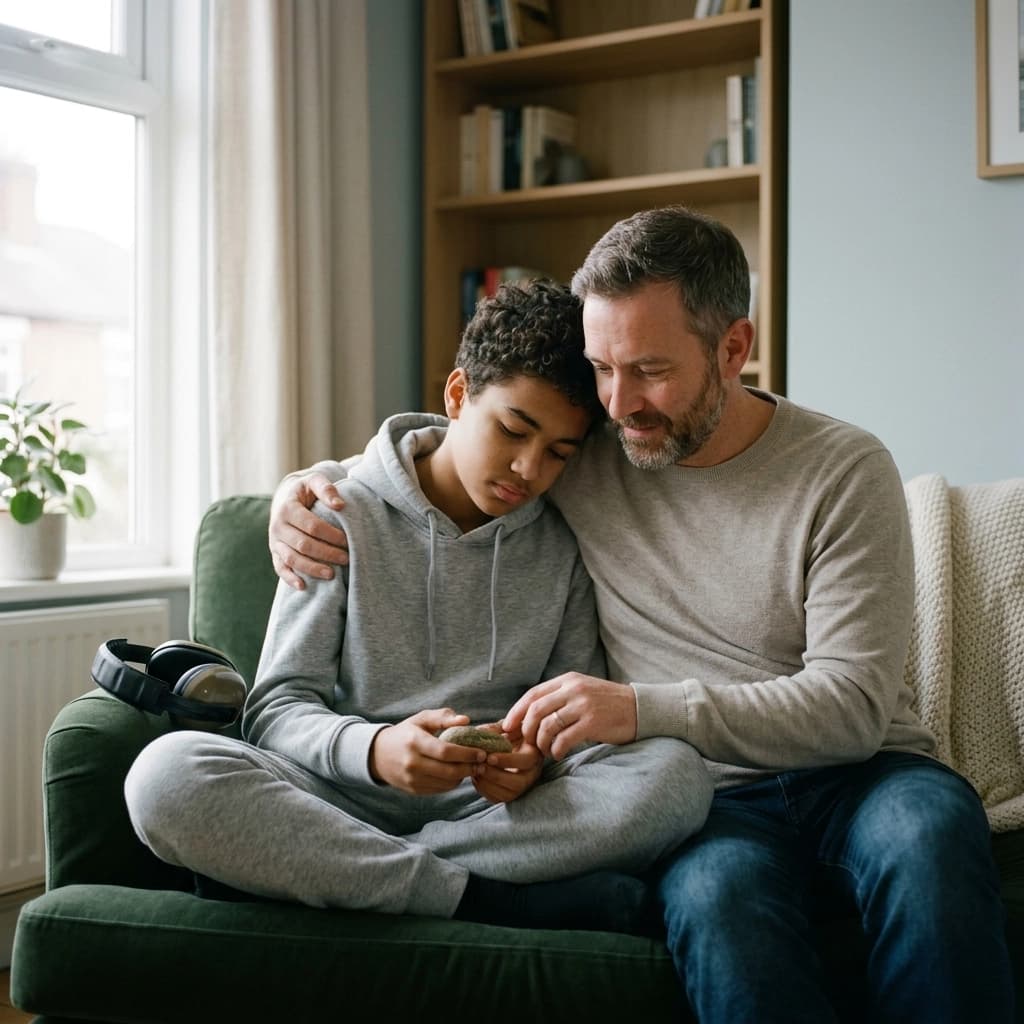
It’s 7:30 am on a Tuesday. The uniform is laid out, the school bag is packed, and the toast is getting cold on the table. But your child is under the duvet, or maybe they’re locked in the bathroom, or perhaps they’re having a meltdown so intense it feels like the world is ending.
If you’ve been there, you know that "knot in the stomach" feeling. It isn’t just about a child being a bit "difficult" or "lazy." It’s something much deeper. At Noa’s Place, we talk to families every day who are going through this exact struggle. My son, Noa, has taught me so much about how the world can feel overwhelming for autistic children, and school is often at the very centre of that storm.
In the community this week, one topic has resonated more than anything else: EBSA.
What is EBSA, Anyway?
EBSA stands for Emotionally Based School Avoidance. You might have heard it called "school refusal" in the past, but we don’t really like that term here. "Refusal" makes it sound like a choice. It makes it sound like your child is just being stubborn.
In reality, EBSA is about a child who cannot go to school, not a child who won’t go to school.
For an autistic child, school isn't just a place of learning; it’s a sensory minefield, a social puzzle, and a place where they have to "mask" who they are for six hours a day. Eventually, the pressure cooker whistles. EBSA is the result of a nervous system that has reached its absolute limit.
Why Autistic Children are Hit Hardest
Research suggests that over half of autistic learners struggle with school avoidance at some point. That’s a huge number compared to the rest of the population. But when you look at the "why," it starts to make total sense.
1. The Sensory Overload
Think about a typical school. The humming fluorescent lights, the scraping of chairs, the smell of the canteen, the shouting in the hallways. For an autistic child, this can feel like physical pain. By the time they get to second period, their "stress bucket" is already full.
2. The Masking-Burnout Cycle
Many autistic children are experts at "masking." They copy their peers, suppress their stims, and try their hardest to look "fine" so they don’t get picked on or told off. Teachers might even say, "But they’re so well-behaved in class!"
The problem? Masking is exhausting. When they get home, they collapse. Eventually, the thought of going back and doing it all again tomorrow becomes impossible.
3. Transitions and Uncertainty
School is full of changes. A supply teacher, a room change, or even a different route to the gym can trigger massive anxiety. If a child doesn't feel safe or doesn't know exactly what to expect, their brain goes into "fight or flight" mode.
Spotting the Signs (The "Iceberg" Effect)
What we see on the surface is the refusal to get into the car or the tears at the school gate. But underneath the water, there’s a massive iceberg of emotions.
Keep an eye out for these red flags:
- Physical symptoms: Tummy aches, headaches, or feeling sick on Sunday nights.
- Sleep disruption: Struggling to fall asleep or having nightmares about school.
- Regression: Losing skills they previously had or becoming more "clingy."
- Changes in mood: Increased irritability or withdrawal after the school day ends.
If these things are happening, it’s time to stop pushing and start investigating.

How to Handle the "I Can't Go" Mornings
When your child is in a state of high distress, their "logical brain" has gone offline. You cannot reason a child out of a panic attack.
Do:
- Stay calm. Your child is looking to you to see if the situation is an emergency. If you’re panicked, they’ll panic more.
- Validate their feelings. Try saying, "I can see you're feeling really overwhelmed right now, and I'm here with you."
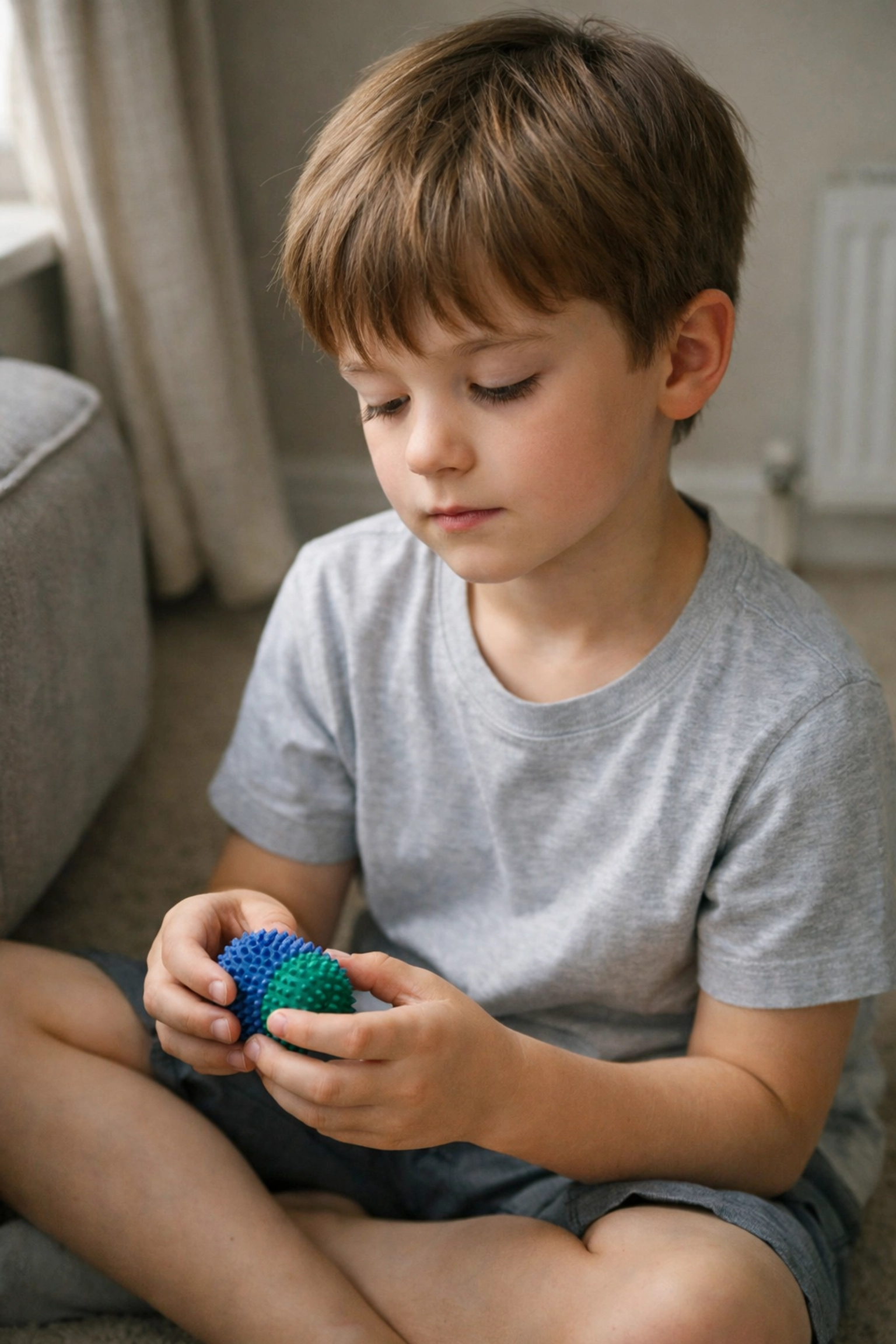
- Lower the demands. Stop talking about school for a moment. Focus on getting them regulated, maybe through a weighted blanket, a favourite fidget, or just sitting in silence.
Don’t:
- Use punishment. Taking away their iPad because they’re too anxious to go to school will only increase their baseline stress.
- Drag them. Forcing a child physically into school can cause long-term trauma and damage your relationship.
- Blame yourself. You aren't a "bad parent" because your child is struggling. You are a parent dealing with a complex situation.
Practical Steps to Move Forward
Once the immediate crisis has passed, you need a plan. At Noa’s Place, we’re building tools to help with this because we know how hard it is to explain your child's needs to a busy teacher.
1. Conduct a Sensory Audit
Work with the school's SENCo (Special Educational Needs Coordinator). Ask for a "sensory audit" of the school day. Is it the assembly? Is it the noisy lunchroom? Identifying the specific triggers is the first step to fixing them. You can use our Sensory Profile Tool to help identify these triggers at home first.
2. Create an "All About Me" Profile
Often, school staff only see the version of your child that is masking. You need to show them the full picture. Our All About Me - Child tool is perfect for this. It helps you document what your child loves, what scares them, and how they communicate when they are stressed.
3. The "Safe Space" Agreement
Every autistic child should have a "get out of jail free" card, a literal or metaphorical card they can show to a teacher when they feel a meltdown coming. This should allow them to go to a pre-agreed quiet space without being questioned or followed by a crowd.

4. Adjust the Timetable
Sometimes a full 9-to-3 day is just too much. Talk to the school about a phased return or a part-time timetable. This isn't "giving in"; it's building a bridge back to education that won't break under the weight of their anxiety.
Know Your Legal Rights (UK Context)
It is a common fear that parents will be fined for their child’s non-attendance. However, if the absence is due to a physical or mental health issue (and EBSA falls under this), it should be marked as an authorised absence.
If your child has missed more than 15 days, the Local Authority has a legal duty to ensure they receive a suitable education. This might mean "Alternative Provision" or home-based tuition. Don't let the school pressure you into "elective home education" unless that is truly what you want to do. You have a right to support.
Building a Bridge Together
At Noa’s Place, we’re more than just a website; we’re a community-led organisation (we’re currently in the process of applying for our official charity status/CIO!) because we believe no parent should have to navigate this alone. While we don't have a physical building yet, our online space is designed to give you the tools I wish I had when we first started our journey with Noa.
If you’re struggling right now, please take a breath. Your child isn't broken, and you aren't failing. The school system is often built for a "typical" brain, and your child’s brain is wonderfully unique.

Next Steps:
- Check out our Interactive Tools – specifically the "Feelings & Coping" section to help your child express how they feel.
- Download the Safety Plan if school mornings are becoming dangerous or self-harm is a concern.
- Be kind to yourself. You’re doing a great job in a very tough situation.
We’re all in this together.
Josh Barnes
Founder, Noa’s Place