
It’s 4 PM on a Tuesday.
The telly is a bit too loud. The kitchen smells like tonight’s dinner. Your child is starting to spin in circles, or maybe they’re beginning to melt down because their socks "feel wrong."
You feel that familiar tightness in your chest. You’re tired. You’ve had a long day, and you just want things to feel a bit more settled.
We know that feeling. We are right there with you.
At Noa’s Place, we talk to families every day who are navigating the beautiful, exhausting, and often overwhelming world of sensory processing.
Last week, we shared a quick post on social media about simple sensory wins, and it blew up. It turns out, a lot of you are looking for fresh ideas to help your little ones feel grounded when the world feels like a bit much.
So, we’ve expanded those ideas into a proper guide.
Understanding the "Why" Before the "How"
Before we jump into the list, let’s take a second to breathe.
When your child is struggling to regulate, it isn’t about "bad behaviour." It isn’t about them being difficult on purpose.
Their brain is simply sending out an SOS.
Some children feel everything too much. Others don’t feel enough, so they go looking for more input.
Think of it like a volume knob. For some of our kids, the world is permanently turned up to eleven. For others, the volume is so low they have to shout and jump just to hear it.
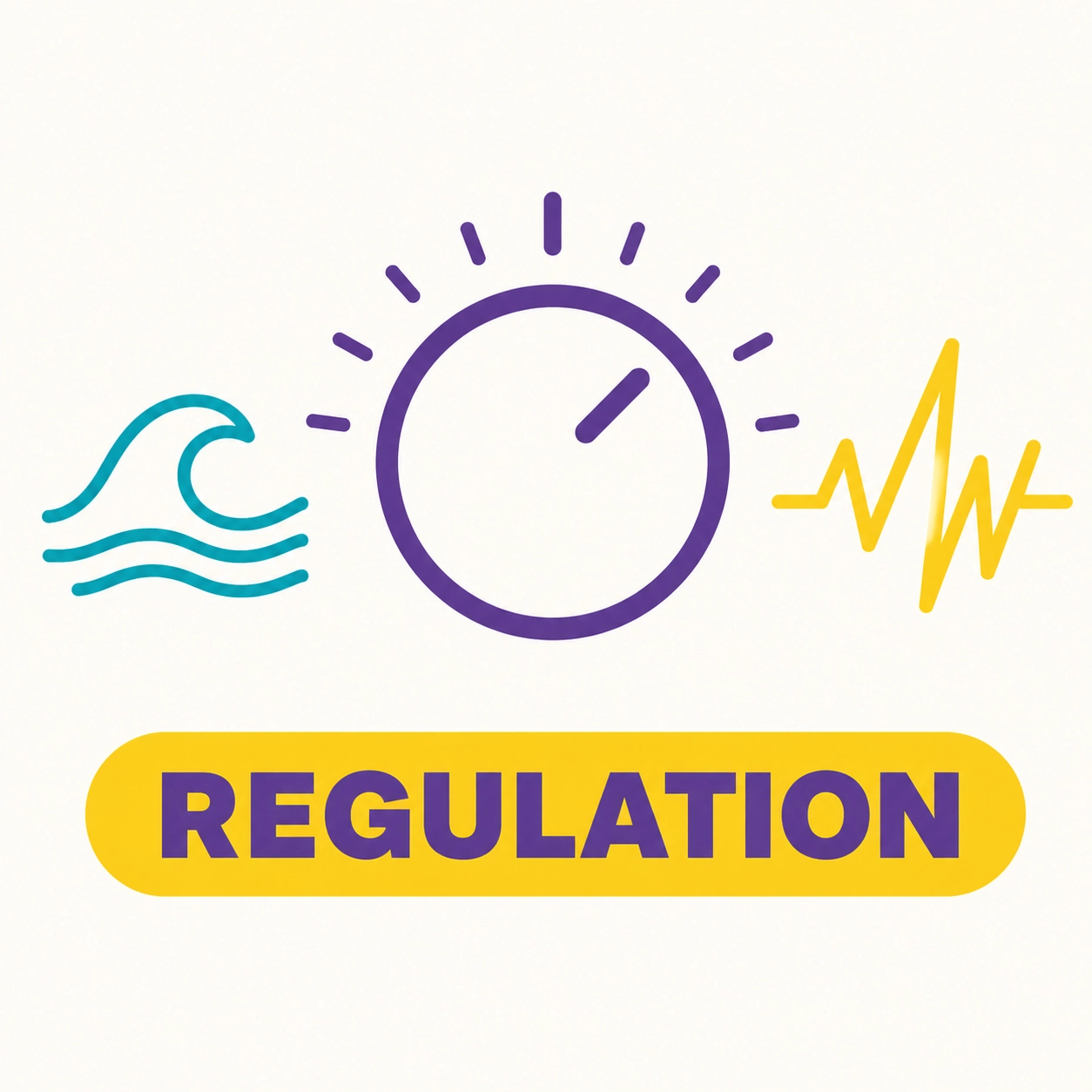
Helping them "regulate" just means helping them find that comfortable middle ground.
Here are 15 simple, low-cost ways to help your child find their calm at home.
1. The "Squish Sandwich"
This is a firm favourite for a reason. Have your child lie on a soft rug or the sofa. Gently place a few heavy cushions on top of them (avoiding the face, of course) and apply gentle pressure.
This provides what’s called proprioceptive input. It’s a fancy word for "knowing where your body is." That deep pressure acts like a big, grounding hug for their nervous system.
2. Wall Push-ups
If your child is feeling "bouncy" or restless, get them to stand facing a wall. Tell them to try and "push the wall into the next room."
It sounds silly, but the resistance against their joints and muscles is incredibly calming. It’s a quick bit of "heavy work" that can reset a frazzled brain in less than a minute.
3. Animal Walks
Need to get from the lounge to the bathroom for bath time? Don’t just walk.
Try bear crawls (hands and feet on the floor, bum in the air), crab walks, or frog leaps. These movements engage the big muscles and provide loads of sensory feedback. It turns a transition, which is often a trigger for meltdowns, into a regulating game.
4. Create a "Calm Corner"
You don’t need a fancy sensory room. A pop-up tent, or even just a corner with a duvet and some pillows, works wonders.
Keep the lighting low. If you have some fairy lights or a small lava lamp, put them in there. This is a "safe space" where they can go when the rest of the house feels too busy.
5. Sensory Bottles
Grab an old plastic water bottle. Fill it with water, some clear glue, and a handful of glitter or sequins. Seal the lid tightly (superglue is your friend here).
When they shake it and watch the glitter slowly settle, it gives them a focal point. It’s a visual way to slow down their heart rate and focus their mind.
6. Heavy Work with Groceries
Next time you’re back from the shops, let your child help. Give them the "heavy" items to carry, like the milk or the big bag of potatoes.
Carrying weight provides that deep muscle input that helps many children feel more "tucked in" and secure in their own skin.
7. Play Dough or Kinetic Sand
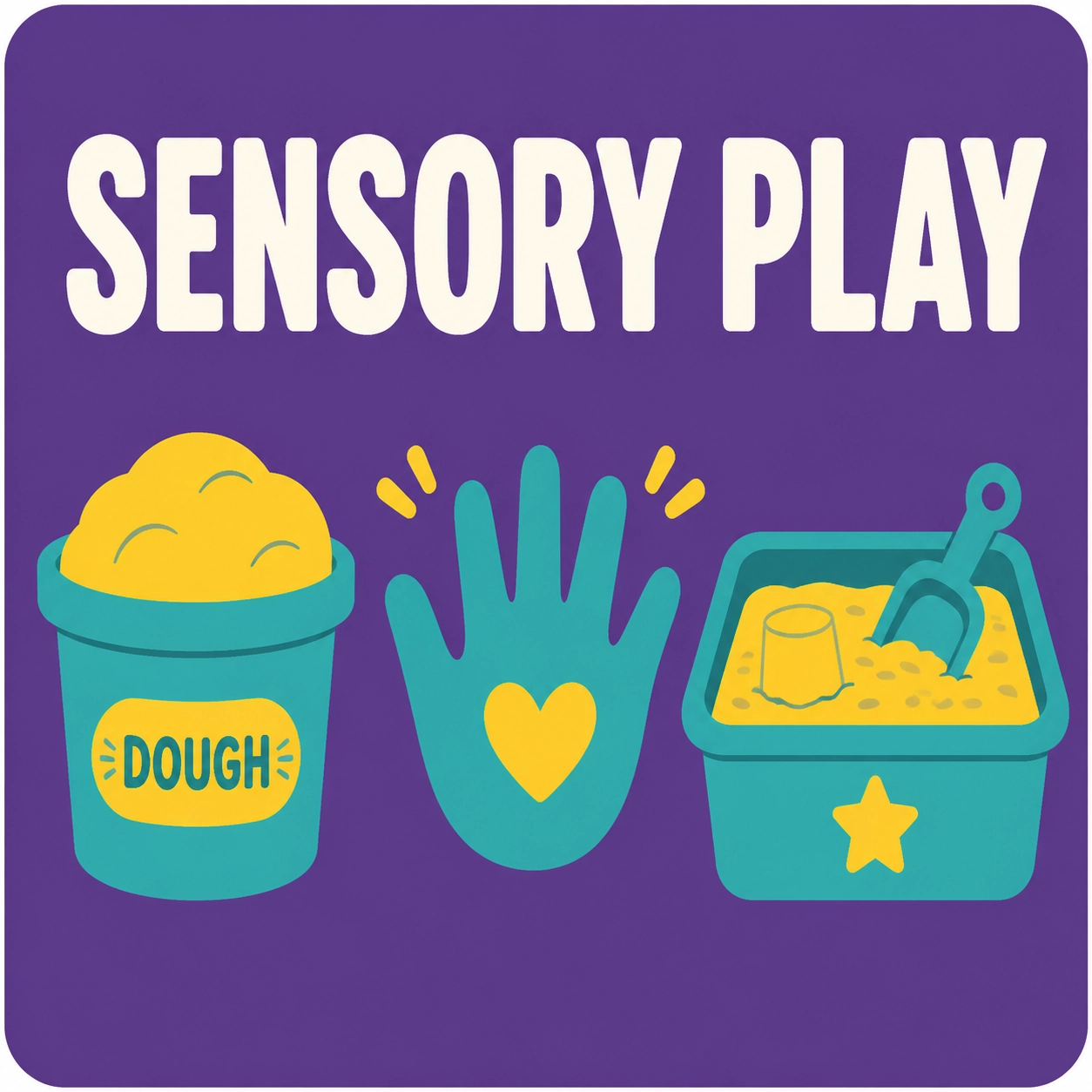
There is something magic about squishing dough. It’s tactile, it’s resistive, and it’s repetitive.
If they are feeling particularly stressed, try scented play dough. Lavender is great for calming, while lemon or orange can help a child who feels "sluggish" to wake up their senses.
8. Bouncing on a Therapy Ball
If you have a large yoga or therapy ball, let them bounce. For some kids, the rhythmic movement helps them process their thoughts.
If they’re feeling overwhelmed, you can also have them lie over the ball on their tummy while you gently rock them back and forth.
9. Rice or Pasta Bins
Fill a large Tupperware container with dried rice, pasta, or beans. Hide small toys inside for them to find.
Running their hands through the different textures can be very soothing. It’s a great way to engage the tactile system without it being "messy" play (well, mostly!).
10. Bubble Blowing
This isn’t just about the bubbles. It’s about the breathing.
To blow a good bubble, you have to take a deep breath and exhale slowly. It’s a secret way to get your child to practice deep breathing exercises without it feeling like "therapy."
11. Fidget Tools
Sometimes, a child just needs to keep their hands busy to keep their brain calm.
You don’t need to buy expensive gadgets. A piece of Blu-Tack, a smooth stone, or even a rubber band can work. If they are struggling with sensory overload, having something to fiddle with can act as a "grounding wire."
12. Music and Rhythms
Music is a powerful tool. Soft, rhythmic music can lower anxiety.
Conversely, if your child is seeking input, putting on a fast song and having a "30-second dance party" can help them crash and burn off that excess energy so they can settle afterwards.
13. Weighted Lap Pads
If your child struggles to sit still for dinner or homework, try a weighted lap pad. You can even make a DIY version by filling a small pillowcase with dried rice.
The weight sitting on their thighs helps them stay grounded and aware of their body while they’re trying to focus.
14. Ice Cubes or Cold Water
Sometimes, you need a "sensory shock" to break a spiral.
Giving your child an ice cube to hold, or letting them splash their face with cold water, can quickly pull their focus back to the present moment. It’s like a tiny reset button for the nervous system.
15. The "Power of the Hug"
Never underestimate a good, firm hug.
But remember: it has to be on their terms. Ask, "Do you need a big squeeze?" and let them lean into you. Deep, firm pressure for about 20 seconds releases oxytocin, the "cuddle hormone", which naturally lowers stress levels.

Making it Work for You
You don’t have to try all 15 at once. In fact, please don't!
Every child is different. What works for Noa might not work for your little one. Start by observing.
Does your child seek out movement? (The "Seekers"). Or do they cover their ears and hide? (The "Avoiders").
- If they are Seekers, focus on the animal walks, the therapy ball, and the heavy work.
- If they are Avoiders, focus on the calm corner, the sensory bottles, and the weighted blankets.
If you’re not sure where to start, you can check out our interactive tools to help identify what might be going on for your child.
You Are Doing a Great Job
We know how it feels when you’re trying your best and it still feels like an uphill battle.
At Noa’s Place, our dream is to create a physical space in Halifax or Calderdale where families can come and explore these things together. We’re currently searching for the right spot, somewhere big enough and accessible enough to be the "home" our community deserves.
Whilst we don't have those physical doors open yet, our community is very much alive.
You don't have to figure this all out by yourself. Whether you're looking for bullying support or just a bit of advice on life transitions, we are here.

Sensory regulation isn't a "one and done" task. It’s a rhythm you find together, day by day.
Some days will be smoother than others. On the days that feel like a struggle, remember that you are the expert on your child. You are their safe harbour.
Take it one "squish sandwich" at a time.
If you want to learn more about what we’re building at Noa’s Place, or if you just want to join a community that truly "gets it," come and say hello at The Hub.
Together we make space.