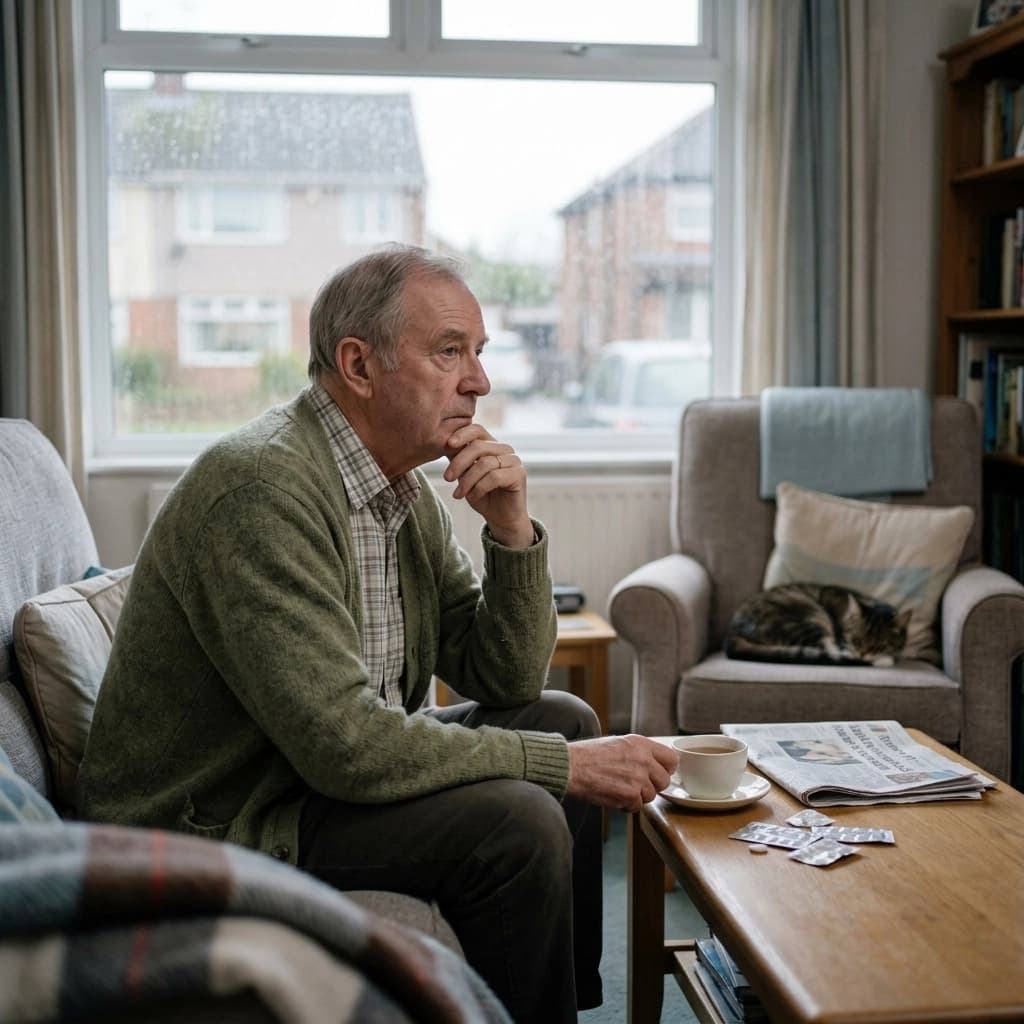
Have you ever sat in your car for five minutes after getting home, just staring at the dashboard?
The engine is off. The house is right there. You know as soon as you step through that front door, the "shift" starts. There are meds to organise, a sensory meltdown to navigate, or perhaps a mountain of paperwork for an EHCP that feels like it’s written in a foreign language.
In those five minutes of silence, you aren’t just a parent or a carer. You’re someone who is completely exhausted. You feel like you’re running a marathon every single day, but the finish line keeps moving.
At Noa's Place, we talk to parents and carers in Halifax and across the UK every day who feel exactly like this. With Mental Health Awareness Week (11-17 May) approaching, we wanted to pull back the curtain on a very specific kind of struggle: the loneliness of the "long-distance" carer.
Even if you are in the same room as the person you care for, you can feel miles away from the rest of the world.
What is "Long-Distance" Loneliness?
When people hear "long-distance caregiving," they usually think of someone living in a different city. But for many SEND (Special Educational Needs and Disabilities) parents, the distance is emotional and social.
You might be physically present, but you’re "long-distance" because:
- You feel disconnected from your friends who don't have "complex" lives.
- You feel miles away from the person you used to be before you became a full-time advocate.
- The system makes you feel like you’re shouting from across a canyon, hoping someone hears you.
It’s a heavy load to carry. And the truth is, most of us wait until we are in a total mental health crisis before we even think about asking for help.

The "Crisis Before Support" Reality
In the world of disability services, there is a recurring, painful theme: support only arrives when things break.
We’ve seen it time and again. A family reaches out because they are at their absolute limit. They haven’t slept properly in months, their mental health is plummeting, and the household is in "survival mode." Only then do the "systems" start to move.
Why do we have to be in crisis to be seen?
Statistics show that this isn't just a "bad week" for a few people. Recent studies have highlighted that 80% of carers expect their mental health to decline over the coming year. That is a staggering number. It means four out of five people reading this right now feel like they are heading toward a cliff edge.
At Noa’s Place, we want to change that. We believe wellbeing shouldn't be a "reward" for surviving a crisis. It should be the foundation that prevents the crisis from happening in the first place.
Why Your Wellbeing is Actually a Requirement
We often hear parents say, "I don't have time for self-care."
We get it. When you’re juggling appointments and school runs, "self-care" sounds like a luxury for people who have nannies and spa memberships. But we like to explain it a bit differently.
Think of yourself like a phone battery. If you’re constantly running on 1%, your "apps" (your patience, your ability to problem-solve, your physical health) start to glitch. You can’t support your child or your loved one if your own system has shut down.
Self-regulation isn't just for our kids; it’s for us too. When we are calm, we can help them be calm. If we are vibrating with stress, it spreads through the whole house.
Putting your wellbeing first isn't selfish. It’s the most practical thing you can do for the person you care for.
A Breath of Fresh Air (Even if it’s Digital)
Currently, Noa's Place is an online-led community. While we are busy working on our CIO application (we’re applying for charity status!), we are focusing on building a "calm" value-driven space right here on the web.
Our goal is to create a community where you don't have to explain yourself. You don't have to justify why you're tired. You don't have to "prove" your child's disability to get a bit of empathy.
We know that Halifax needs more than just another clinical service. It needs a place to breathe. While our physical community café is part of our future vision, our current online presence is designed to be your "safe harbour."
Whether you are looking for a safety plan for those really tough days or you need help understanding sensory overload, we want to provide the tools that make the heavy lifting a little lighter.

The Power of Peer Connection
One of the biggest killers of mental health is the feeling that you are the "only one."
When you go to a typical toddler group or a coffee morning, and you’re the only parent dealing with a meltdown or a feeding tube, the "distance" feels huge. You smile, you nod, but inside you’re thinking, "You have no idea."
This is why peer connection is so vital.
When you talk to another SEND parent or carer, you don't have to do the "introductory dance." You can just say, "It’s been a rough morning," and they know exactly what that means. They know it means more than just a spilled coffee; it means a 2-hour battle over socks or a terrifying phone call from the school.
Finding your "tribe" reduces that long-distance feeling. It brings your world closer to people who actually speak your language.
Small Steps You Can Take Today
We know you’re busy. We know your "To-Do" list is longer than a CVS receipt. So, we aren't going to tell you to "take a weekend off" (though we wish you could!).
Instead, try these "Explain Like I’m 5" (ELI5) steps to protecting your mental health:
- Lower the Bar: If the laundry doesn't get folded today, the world won't end. If dinner is cereal, everyone is still fed. Give yourself permission to do "good enough."
- Use Our Tools: We’ve built interactive tools to help take the "brain work" out of your day. If you’re struggling to explain your child’s needs to a new teacher or carer, try our All About Me (Child) tool. It does the hard work for you.
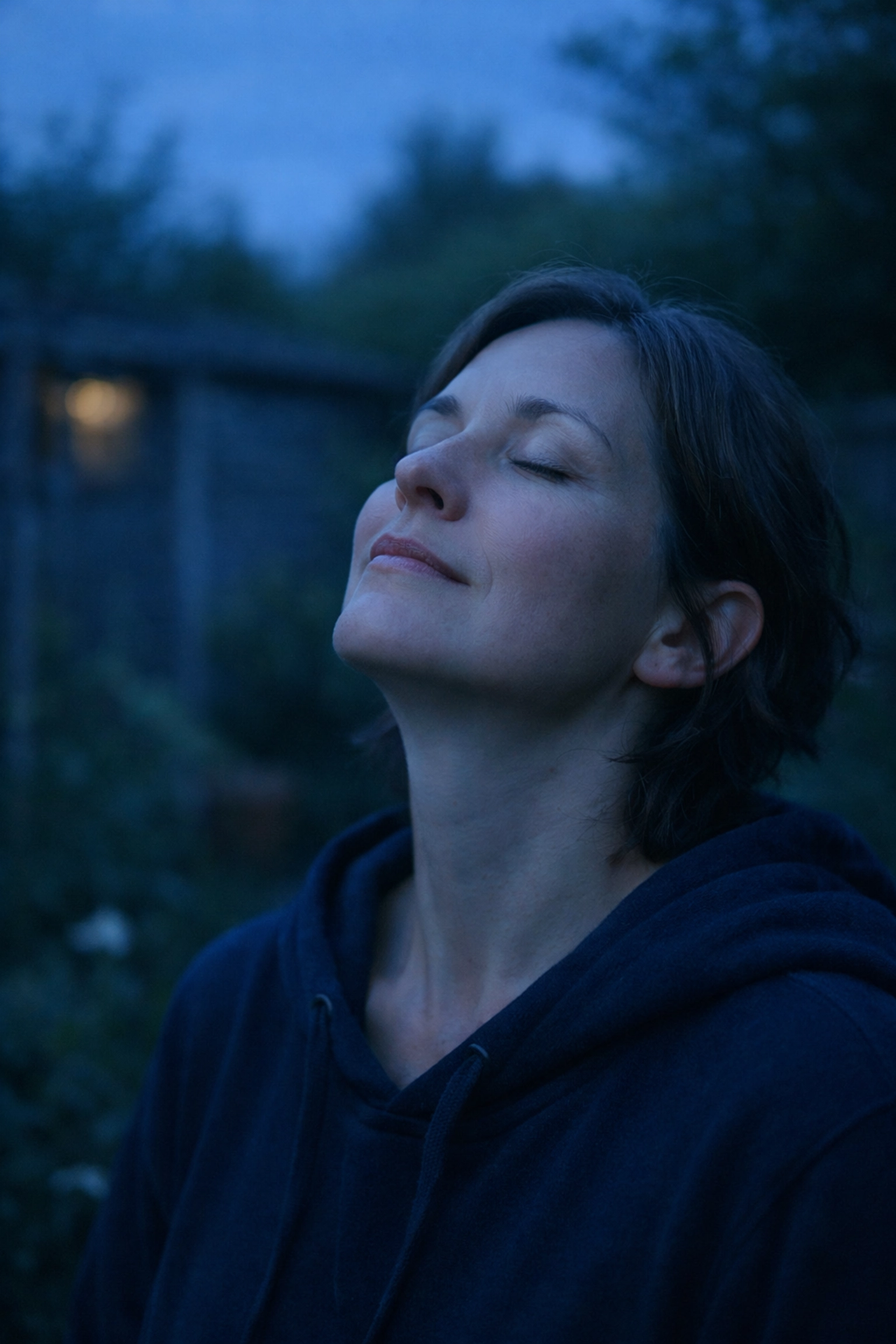
- Find 10 Minutes of "Not-a-Carer" Time: Read a chapter of a book, listen to a podcast, or just sit in the garden. For those 10 minutes, you aren't an advocate or a nurse. You’re just you.
- Check Your Sensory Profile: Did you know adults have sensory needs too? If the house is too loud and the lights are too bright, you’re going to get overwhelmed. Check out our Sensory Profile for Adults to understand your own triggers.
Looking Forward: Mental Health Awareness Week
From the 11th to the 17th of May, the UK focuses on Mental Health Awareness. This year, at Noa's Place, we want to shift the focus onto the unsung heroes: the carers.
We want to move away from the "crisis" model and move toward a "community" model. We want to be the place where you come before you're at breaking point.
Josh Barnes, our founder, started Noa's Place because he saw the gaps in the system. He saw how many families were left to drift in the middle of that "long-distance" ocean. We are building this organisation to be the lighthouse that guides you back to shore.
Join Our Community
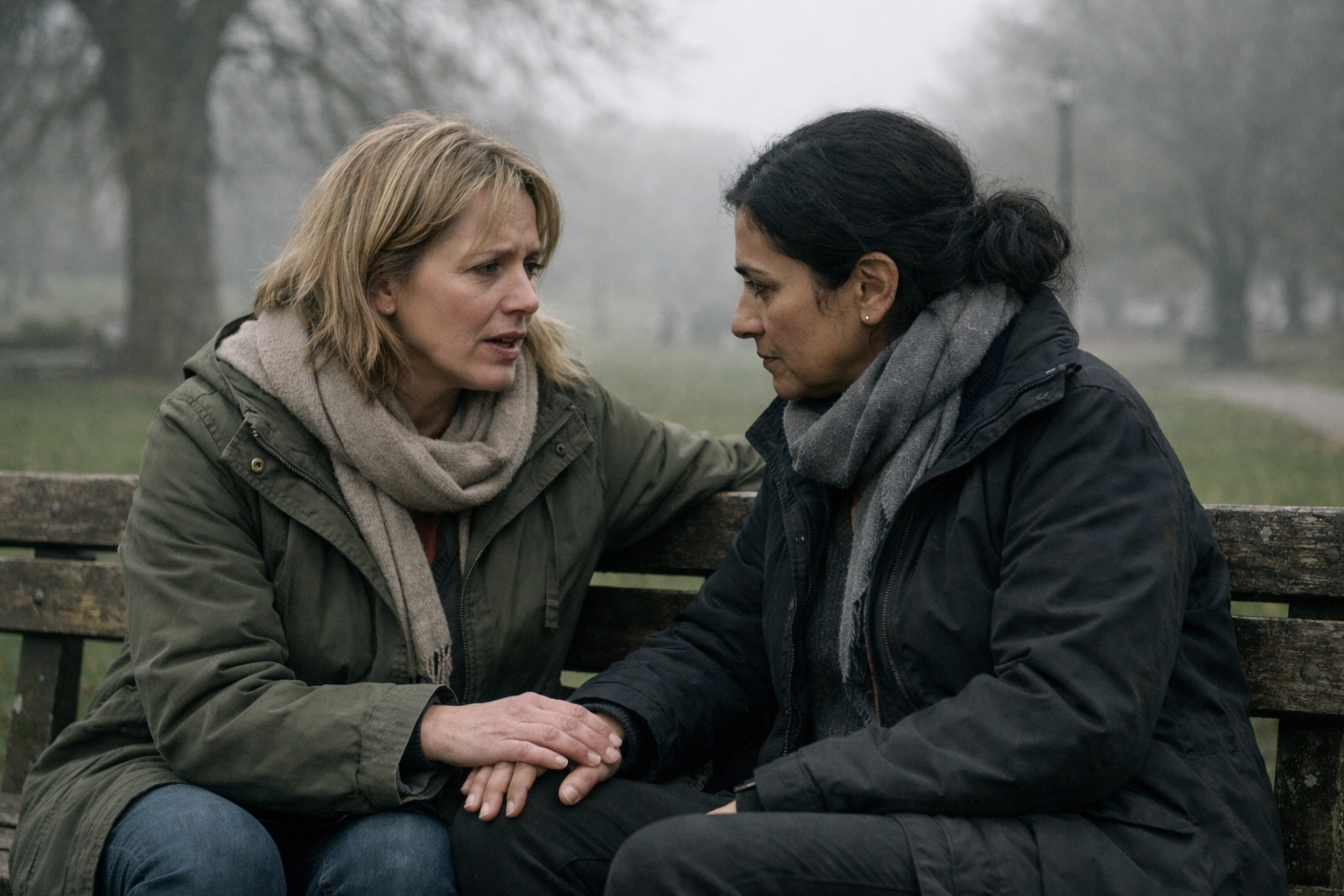
If any of this resonated with you, please know that you aren't alone. You might feel like you’re on an island, but there are hundreds of us on islands right next to yours.
We are currently planning a series of Parent Support Workshops designed to give you practical, empathetic strategies for managing both your child’s needs and your own mental health. These won't be boring lectures; they'll be casual, conversational, and focused on real life.
Register your interest for our upcoming workshops today.
By joining our mailing list or following our journey, you’re helping us build a case for our CIO application and showing the world that carer wellbeing matters.
Let’s close that distance together.
Find out more about what we do:
Noa’s Place is a community-led organisation. We are currently in the process of applying for Foundation CIO (Charitable Incorporated Organisation) status. We are currently an online-only presence as we work toward our goal of opening a physical community hub in Halifax.