Do you ever feel like the world is just... a bit too loud?
Maybe it’s the hum of the fridge that suddenly feels like a jet engine. Or the bright fluorescent lights in the supermarket that make your eyes ache. Perhaps it’s the chaotic energy of a busy school run where every car horn and shouted greeting feels like a physical poke in the ribs.
If you’re a parent, especially a parent of a neurodivergent child, you know this feeling intimately. But it isn't just about the noise outside. It’s the "noise" inside, too, the stress, the constant vigilance, and the internal struggle to keep everything balanced.
April is Stress Awareness Month, and here at Noa’s Place, we’ve been thinking a lot about what it really means to find "calm in the storm." When life gets overwhelming, we all need a port in that storm. For many of us, that port is a sensory space.
The "Storm" We Live In
Let’s be real for a second. Parenting is tough. Parenting when your child experiences the world differently, like my son, Noa, adds a layer of complexity that most people don’t see.
Noa is the heart of everything we do here. Watching him navigate a world that wasn't exactly built for his sensory needs taught me one thing very quickly: when the environment is too much, the person inside that environment begins to fray.
It starts with a bit of irritability. Then comes the restlessness. Before you know it, you’re looking at a full-blown sensory meltdown or a complete shutdown. And as parents, we often follow suit. Our stress levels spike in response to theirs. We feel the "chaos" as if it’s a physical weight.
That is why having a safe space to regulate isn't a luxury. It’s a necessity for wellbeing.
What Exactly is a Sensory Space?
If you’ve never stepped into one, you might imagine a room full of expensive gadgets and flashing lights. But at its core, a sensory space is simply an environment designed to help a person manage their relationship with the world around them.
It’s a place where we take control of the "inputs." Instead of the world throwing random noises and lights at us, we choose what we see, hear, and feel.
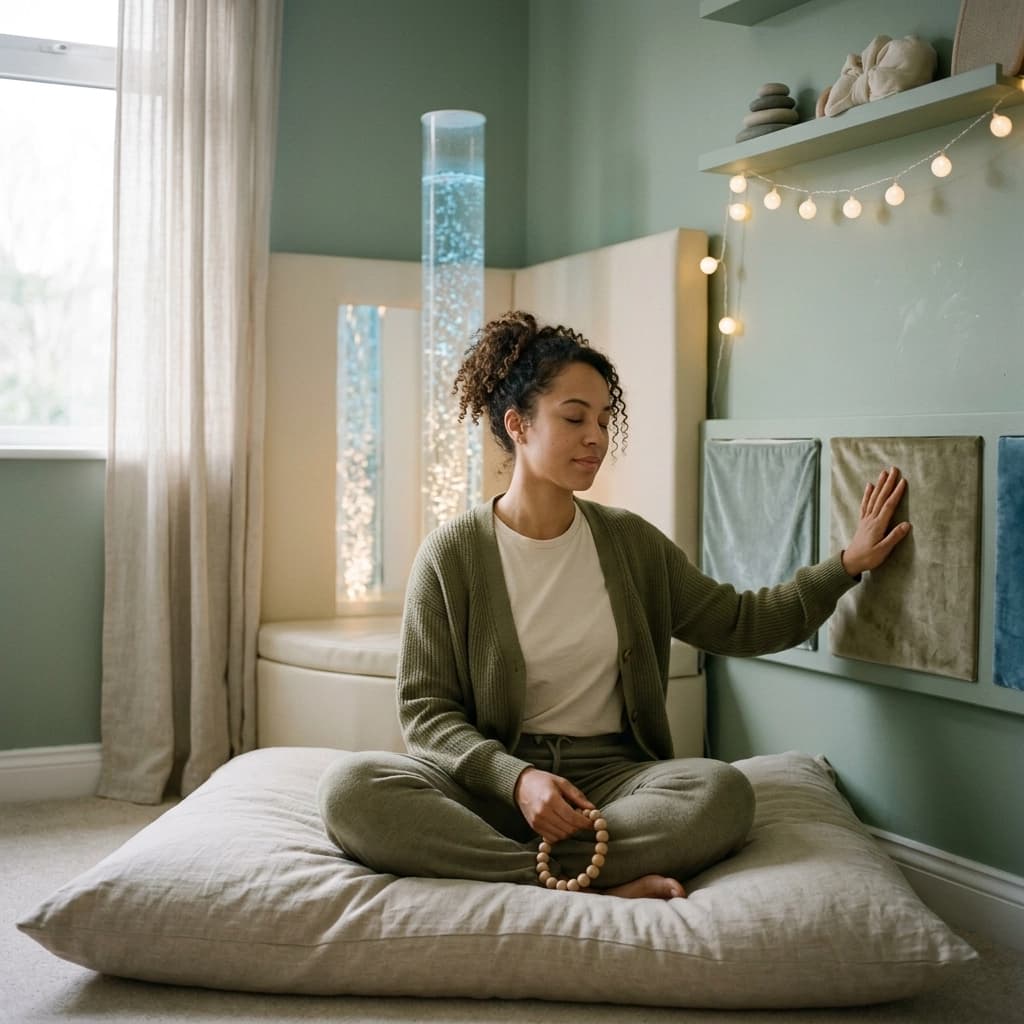
In a sensory room, you might find:
- Low, adjustable lighting: Think soft blues or warm oranges instead of harsh overhead bulbs.
- Gentle tactile feedback: Weighted blankets that feel like a firm hug, or "fidget" textures that give busy hands something to do.
- Controlled sound: Rhythmic nature sounds, white noise, or even just total, beautiful silence.
- Visual focus points: Like bubble tubes or slow-moving projections that give the eyes a place to rest without being overstimulated.
The goal isn't just to "distract" a child or an adult. It’s to provide the nervous system with the specific type of information it needs to feel safe again. When the nervous system feels safe, stress levels drop. It’s like hitting a "reset" button on a computer that’s started to lag because too many tabs are open.
Why "Calm" Matters for Neurodivergent Wellbeing
For neurodivergent individuals, whether they have autism, ADHD, or sensory processing differences, the brain often processes sensory information more intensely or less efficiently than others.
Imagine trying to listen to a friend talk while someone is screaming in your ear and a strobe light is flashing in your face. That’s what a "normal" environment can feel like during a period of high stress.
By stepping into a sensory-affirming space, that person can finally "unmask." They don’t have to work so hard to filter out the background noise. This allows their brain to move out of "survival mode" (fight or flight) and back into "regulated mode."
We’ve seen it time and again: a few minutes in a dedicated calm space can prevent hours of distress later in the day. You can learn more about how this works on our sensory overload tool page.
But What About the Parents?
This is the part we don't talk about enough during Stress Awareness Month.
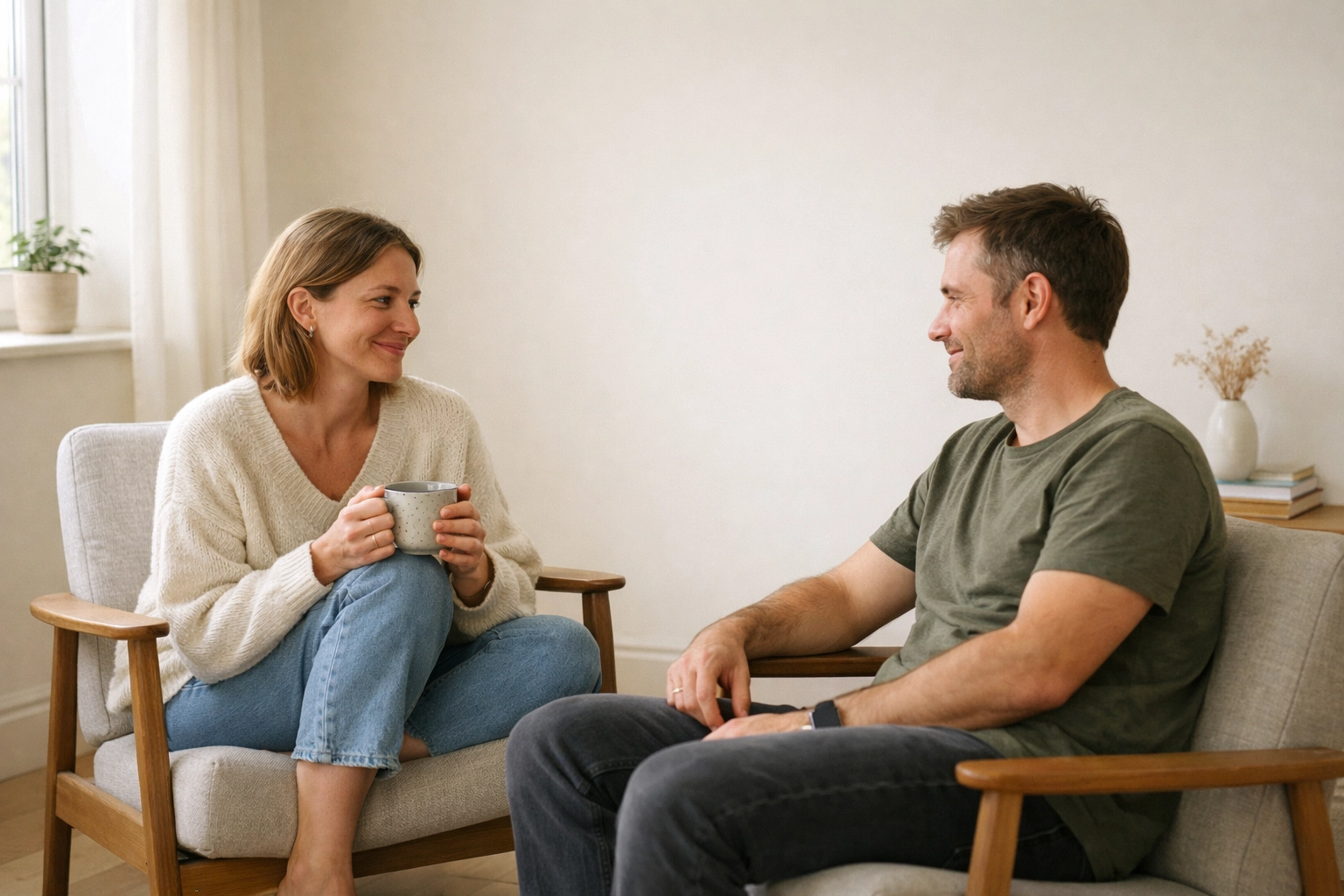
If you are a carer or a parent, you are the "co-regulator" for your child. If they are drowning in a sensory storm, they look to you to be the anchor. But how can you be an anchor if you’re being tossed around by the waves yourself?
We want Noa’s Place to be a sanctuary for parents just as much as for the kids. Stress isn't just something that happens to our children; it’s a shared family experience. When we talk about our vision for the future, a physical community centre where people can come and just be, we imagine parents sitting in a quiet, sensory-friendly corner, finally letting their shoulders drop away from their ears.

Our Journey: From Online to In-Person
Right now, Noa’s Place is an online presence. We are a community-led organisation with big dreams. Currently, we are in the middle of our CIO (Charitable Incorporated Organisation) application, working hard to become a registered charity.
While we don't have our physical doors open just yet, our mission to provide "calm in the chaos" is already well underway through our digital tools. We know that stress doesn't wait for a building to be finished. You need help now.
That’s why we’ve built a suite of interactive tools to help you and your family navigate these tricky moments from home. If things feel a bit much today, I really encourage you to check out our Feelings & Coping tool. It’s a simple, guided way to help identify what’s going on inside and find a path back to calm.
Creating a Sensory Space at Home (ELI5 Version)
You don't need a massive budget or a spare room to start finding your calm. You can create a "sensory corner" or a "calm-down kit" with things you probably already have.
Think of it like building a nest. Here is the "Explain Like I'm 5" version of how to do it:
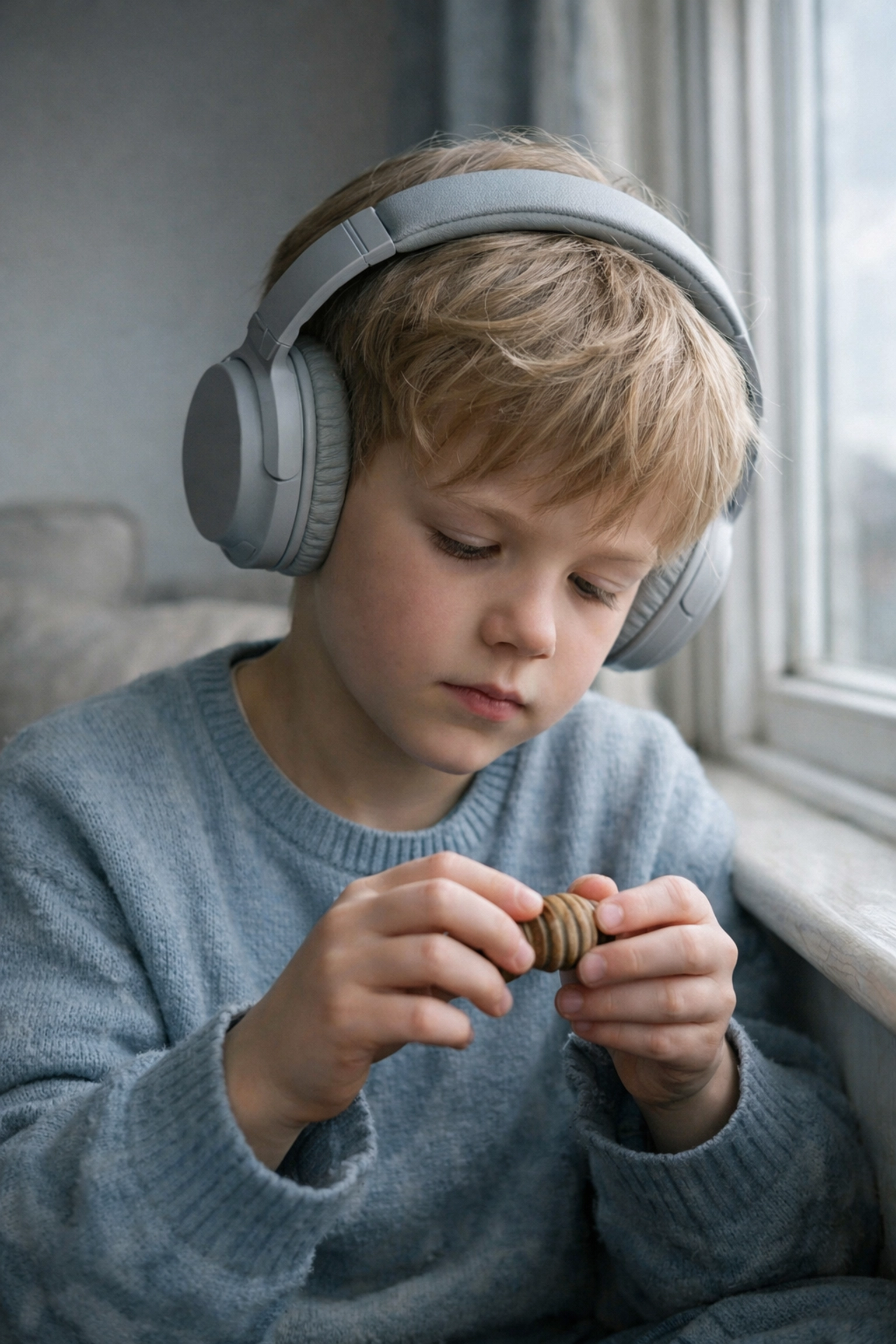
- Block the Noise: Find some ear defenders or even just some soft headphones.
- Dim the Lights: Grab a bedsheet and drape it over a table to make a "dark den," or use a small lamp instead of the big light.
- Find the Squish: Use lots of pillows, a heavy duvet, or a bean bag. That "squish" feeling tells your brain that your body is safe and grounded.
- Slow Down the Eyes: Look at something that moves slowly, like a glitter jar or a lava lamp.
Even ten minutes in a space like this can make a world of difference for a child who has had a "noisy" day at school. If you want to dive deeper into how your specific sensory needs work, we have a Sensory Profile for adults and tools for children too.

The Importance of Regulation, Not Just "Quiet Time"
There is a difference between being "sent to your room" and choosing to go to a sensory space. One is a punishment; the other is a tool for self-care.
At Noa’s Place, we want to empower neurodivergent individuals to recognise when their "stress bucket" is getting full. By using tools like our All About Me (Child) or All About Me (Teen) planners, young people can start to communicate what they need before the storm hits.
It’s about saying: "Hey, I'm feeling a bit wobbly. I need my quiet space for a bit." That is a superpower. That is emotional regulation in action.
Looking Forward Together
Stress Awareness Month is a reminder that we aren't meant to carry everything alone. Noa’s Place was born out of a desire to make sure no family feels like they are navigating the disability and neurodiversity journey in the dark.
We are building a community where "calm" is the priority. Whether that’s through our plans for the future or the about us page where you can read more about our story, we want you to know that you are welcome here.
The chaos of the world isn't going away, but we can change how we respond to it. We can build our sensory spaces, first in our homes and our hearts, and soon, in a physical centre where we can all meet.
A Final Thought for the Stress-Out Parent
If you’re reading this while hiding in the kitchen for two minutes of peace, or while your child is having a tough time: you are doing a great job.
Stress is a natural response to a world that is often overwhelming. Seeking calm isn't "giving up", it’s how we stay strong enough to keep going.
Take a breath. Maybe dim the lights a little. And remember, Noa’s Place is here to help you find your calm in the storm, one sensory-friendly step at a time.
If you’d like to chat or find out more about how we’re supporting the community, please get in touch with us. We’d love to hear from you.